







I just got back from disappearing. This is Sunday! I landed at JFK at 11:29pm last night. One week. No meetings. No agenda. No Zoom. Just me and one question I needed to answer.
I call it Architect Week. Once a quarter, I disappear. Not to rest but to think. The kind of thinking that’s impossible when the calendar is full and the notifications are on. The kind that only happens when you remove everything competing for your attention.
This quarter the question was this: How do we help physicians build the longevity practice they went to medical school to build
I think I found the answer.
It’s not a framework, courses, or protocols. It’s The Operating System, built specifically for physicians who’ve decided that fighting aging is the most important work medicine can do right now.
In the meantime… if you haven’t tried it, consider your own Architect Week. Pick a place or stay home. Clear your calendar. Choose one question. Sit with it until something breaks open.
What would would your question? Respond to this newsletter, I read every single one.
Dr. David Luu - Founder, longevity docs.™
Each week, I try to explore one idea that could advance longevity medicine and hopefully support physicians in bringing it to life.
In 2020, longevity clinics were a niche experiment. In 2026, they are a global industry.
Serotonin Centers crossed 100 franchise locations inside gyms. Next Health sold 50+ territories. Fountain Life raised $108M. SHA and Clinique La Prairie are expanding into Asia and the Middle East. Neko Health is making it accessible at scale.
But the stronger signal isn’t the startups. It’s the institutions.
Weill Cornell launched a 12-month Longevity Medicine Program. Northwestern opened the Human Longevity Clinic. Mayo Clinic is building its own program. Sheba Medical Center became the world’s first academic institution with a dedicated longevity center. Abu Dhabi created the first government regulatory framework for longevity medicine on the planet.
When governments regulate and medical schools curriculum, a field has arrived.
$8.5 billion deployed in 2024 across 325 deals. Average deal size jumped from $20M to $69M. UBS projects $8 trillion by 2030. Over 800 longevity clinics operating in the US alone.
This is no longer about who opens the nicest clinic. This is about who sets the standard, and who gets left behind when it’s set without them.
And with that shift come major opportunities and serious challenges.
5 Pros
1. Patients are already here. They walk in with Function results, Oura scores, and biological age reports they have already GPTed. Educated, motivated, and paying cash, the demand is not something you need to create.
2. Cash-pay finally works as a business model. Memberships, annual panels, and protocols built around outcomes rather than billing codes. No prior authorizations, no insurance battles, just a practice that gets paid to deliver results.
3. Standards are being written right now, with or without you. Weill Cornell, Northwestern, Mayo, and Sheba are building longevity programs because the demand justifies it. Physicians who engage now help shape the standards
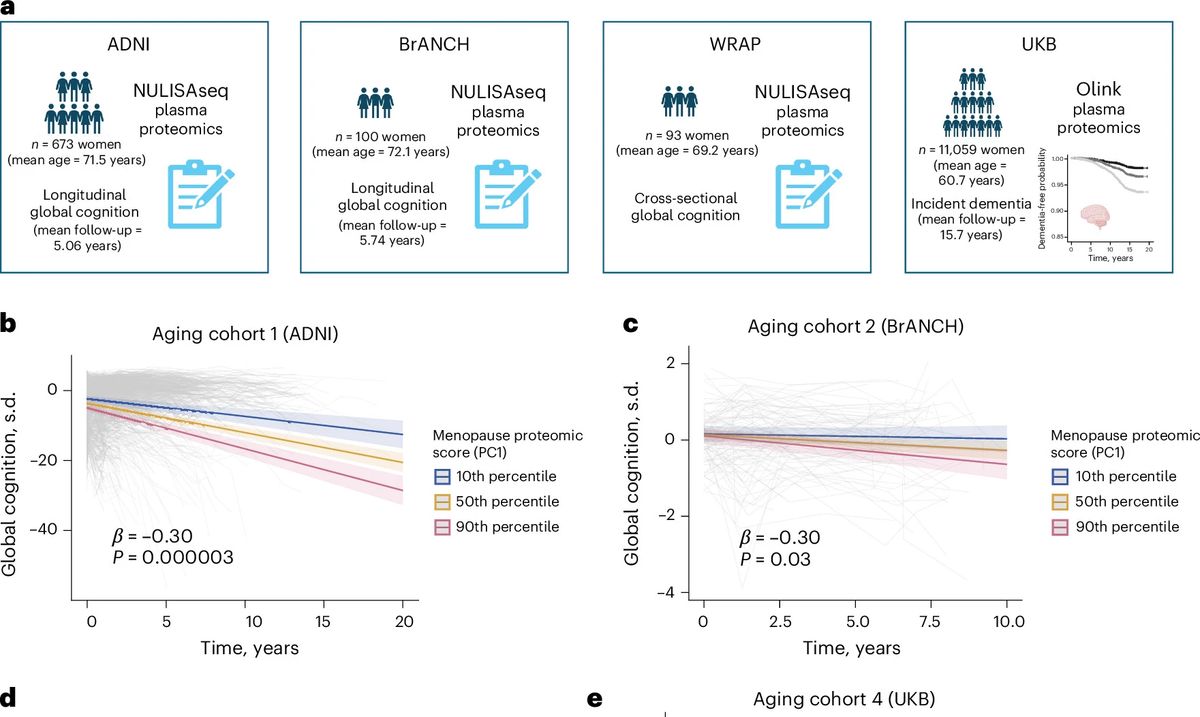
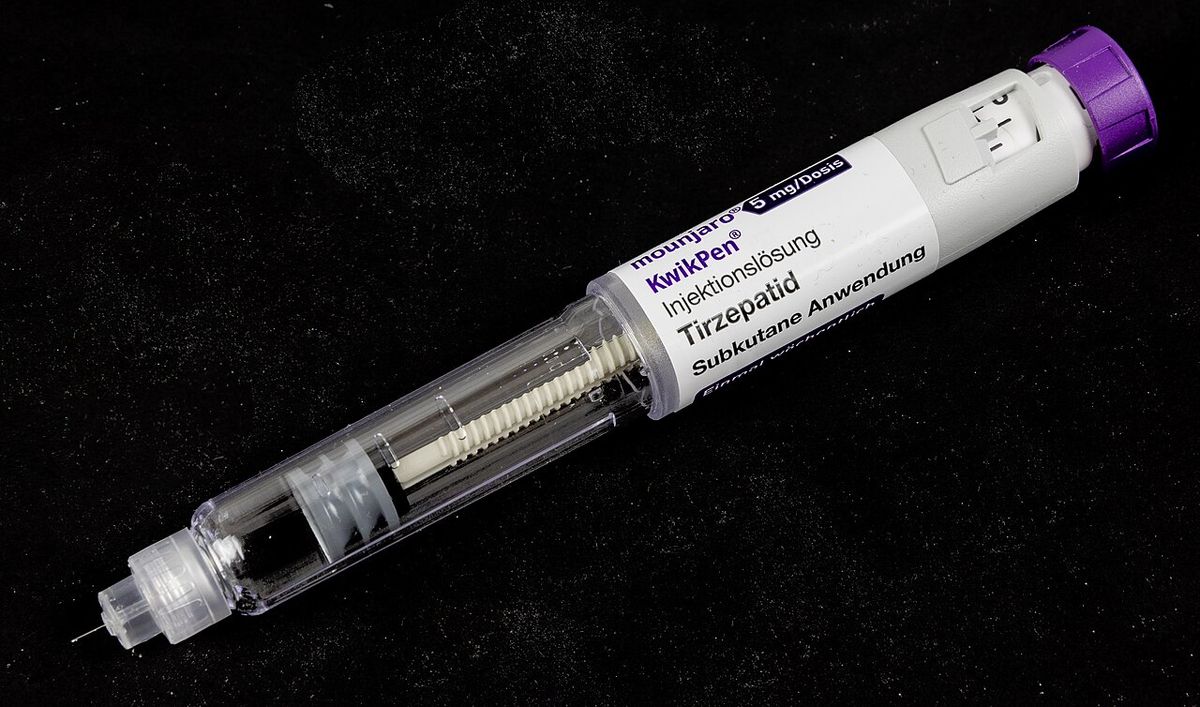
4. Science has never been more actionable. GLP-1 beyond weight loss, multi-omics clocks, AI, senolytics, the research moves every month and the tools to apply it now exist outside of research institutions.
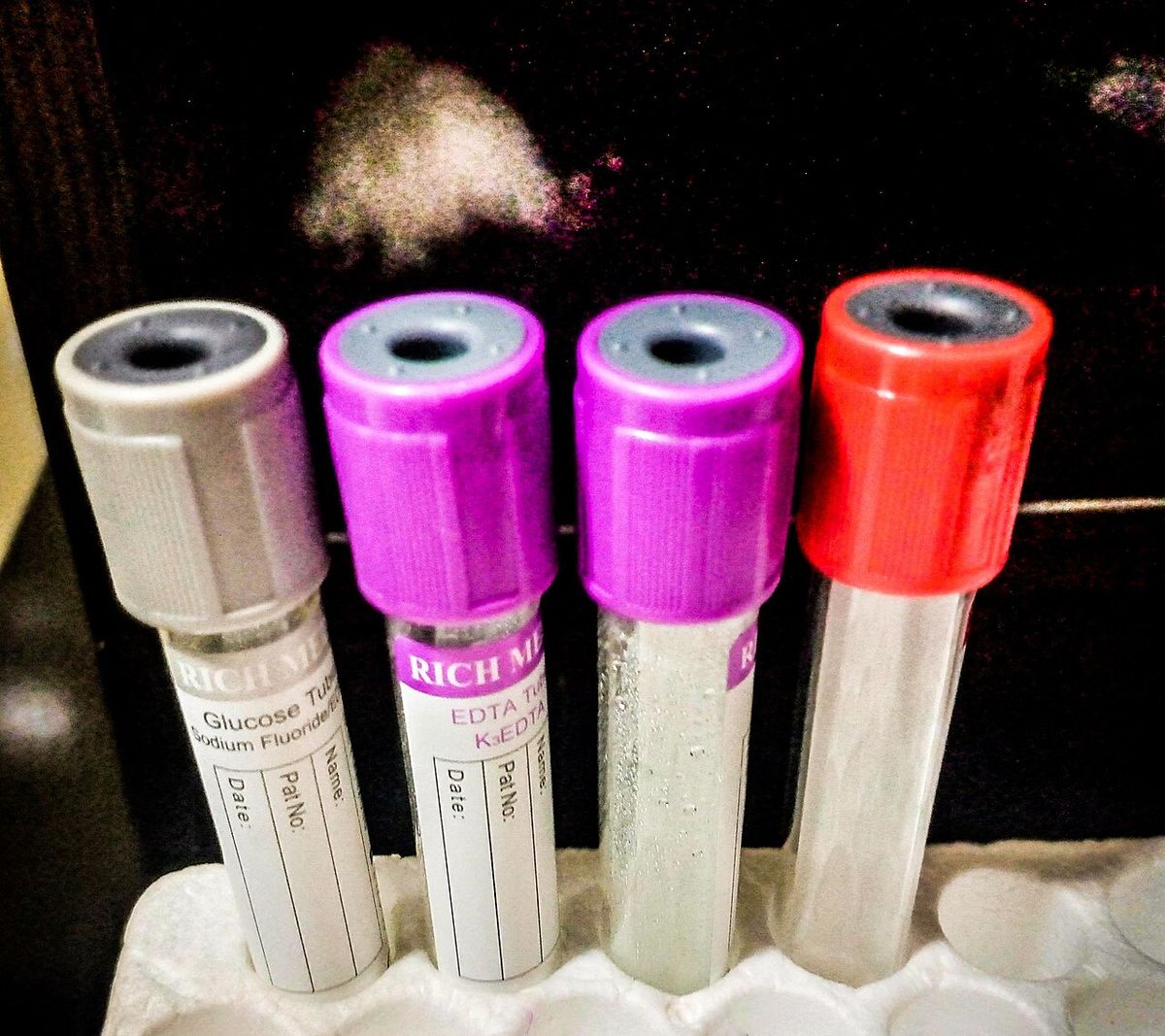
5. Tools are within reach of every serious clinic. Genomic sequencing, liquid biopsies, AI imaging, and continuous biomarker monitoring are now available at the individual clinic level. The gap between what is possible and what most physicians offer has never been wider.
5 Cons
1. Anyone can open a longevity clinic. MedSpas are rebranding, gyms are adding IV drips, and HNWI are opening clinics like passion projects. Patients will look for trusted partner and real clinical care.
2. Training gaps are a patient safety problem. Less than 1% of medical school hours cover nutrition. Zero cover longevity medicine. Physicians opening clinics with enthusiasm but no foundation are not practicing longevity medicine.
3. Patient acquisition has become a war of budgets. Paid digital is saturating fast. Word of mouth does not scale. The clinics winning on acquisition are spending at levels most independent physicians simply cannot match.
4. Outcomes data does not exist, and that grace period is ending. Every clinic promises biological age reversal and optimized biomarkers. Almost none can prove it with publication. Patients and regulators will start demanding evidence.
5. Regulatory scrutiny is arriving faster than most physicians realize. Peptides, compounding pharmacies, CLIA certification, marketing claims, the FDA has already issued warning letters. When the first serious adverse event hits a franchise location, the response will be swift and broad. Build on solid ground now or scramble to retrofit it later.
The Opportunity
There is a white space in this market that almost nobody is talking about.
On one side, you have capital intensive brick and mortar clinics spending millions on real estate, equipment, and overhead before seeing their first patient. On the other, digital platforms with no physicians, no clinical judgment, and no accountability for what happens when the protocol does not work. In between, concierge medicine practices with loyal patient bases but zero longevity expertise, and no roadmap to build it.
None of them is what the market actually needs.
What the market needs is the longevity physician who owns and runs their own practice, serves up to 400 carefully selected patients, operates with a small focused team, and builds something that no platform or franchise can replicate: a real clinical relationship, grounded in evidence, tracked with outcomes data, and scaled with the right tools.
This physician educates their patients continuously. They publish their outcomes. They participate in a global peer network that keeps their protocols sharp. They use AI to scale their attention without diluting their judgment. They do not compete on price because they do not need to. They compete on results.
That position is still wide open.
The institutions are building. The governments are regulating. The franchises are scaling. And in the middle of all of it, there is room for the physician who simply decides to do this right.
The only variable left is you.
Every week, the longevitydocs WhatsApp group feels like a front-row seat to the future of medicine. Here’s what had doctors buzzing:
Originally published in The Longevity Medicine Intelligence newsletter (#86).