





The Longevity Medicine has reached an inflection point.
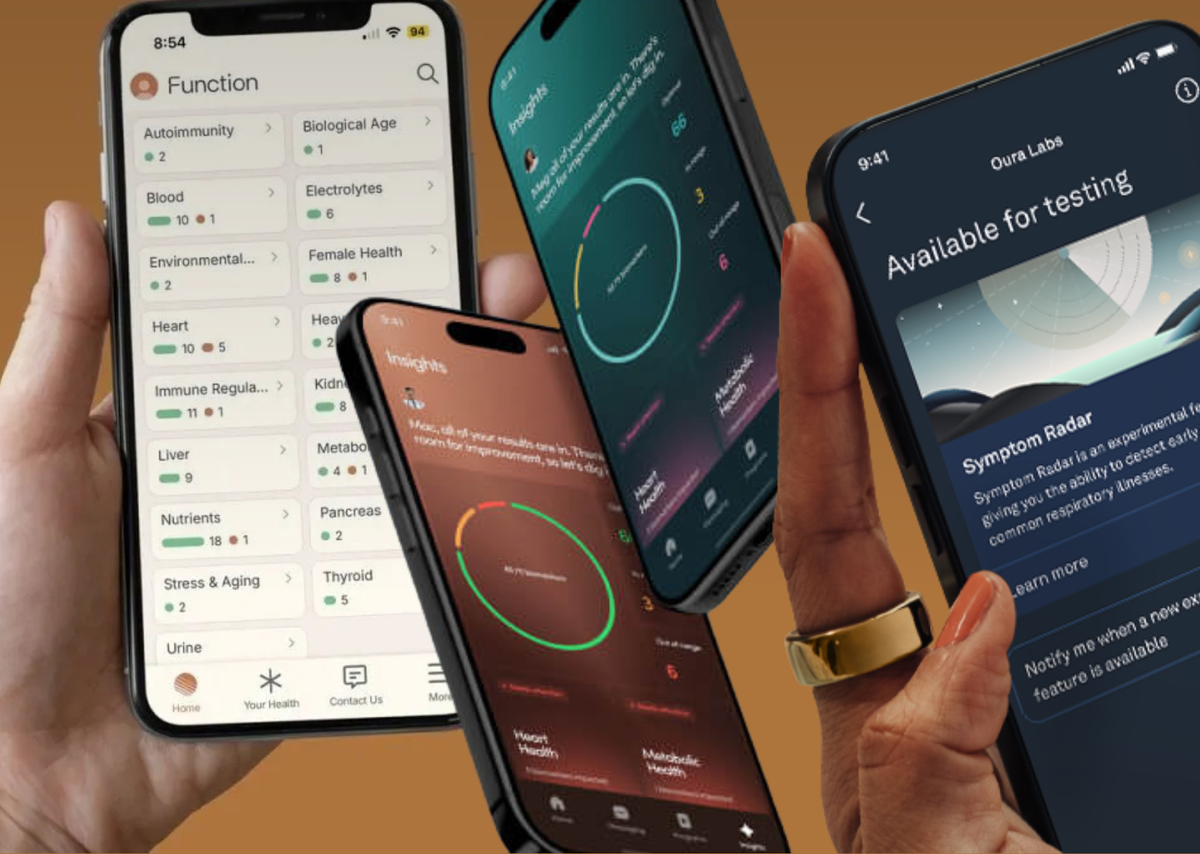
Function raised $298M at a $2.5B valuation, offering labs for $1/day. Hims launched 120-biomarker panels.
This isn’t news. It’s validation. Investors are betting billions that comprehensive biomarker testing will become as routine as an annual checkup, and they’re right. In five years, 150–200 biomarkers per person will be normal.
But here’s the truth: Consumer platforms can democratize testing. They cannot democratize outcomes.
Function can generate 50 million lab results. What they can’t generate is 50 million patients with extended healthspan. That gap between data and outcomes is where longevity medicine lives.
And the technology accelerating this gap is moving faster than the infrastructure to support it: proteomics, AI-derived biomarkers, multi-omics integration…
We can measure aging. We’re still building the system to act on it.
Three questions now define the future:
- What is the role of longevity physicians when AI interprets biomarkers?
- Does access to data improve outcomes or just create anxiety?
- Will tech platforms become unregulated health systems if doctors don’t lead?
Big announcement coming soon!
Healthy Sunday!
Dr. David Luu - Founder, longevity docs.™
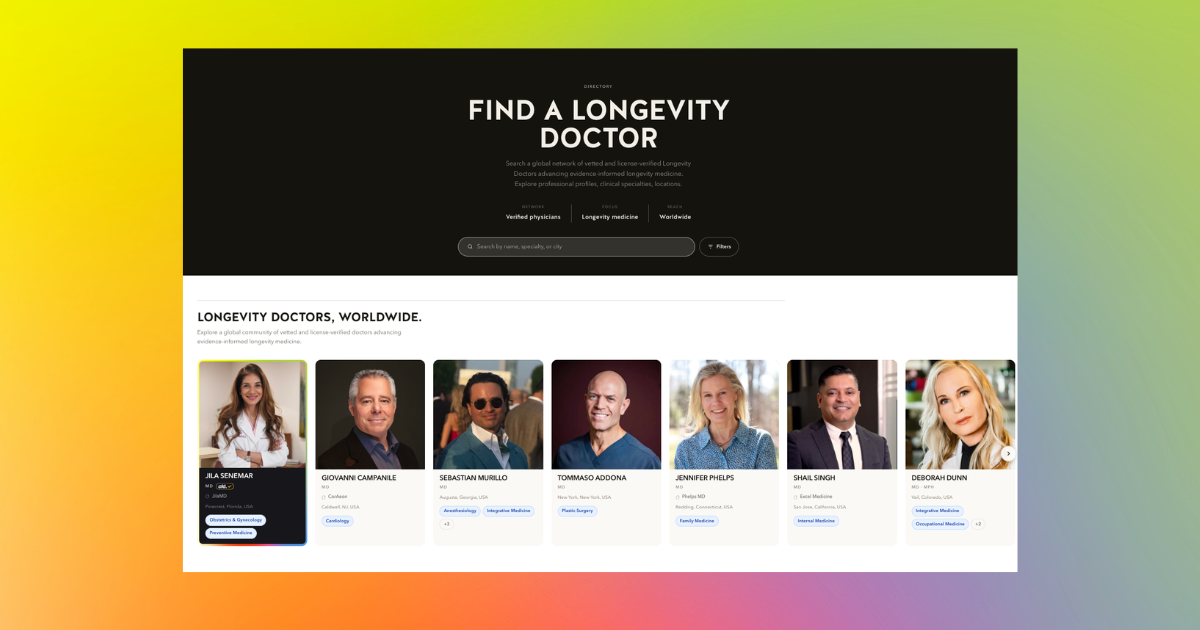
longevity docs.™ is the world’s largest physician network in longevity medicine, serving 600+ vetted physicians across 50+ countries. We unite physicians, industry, and institutions to build the trusted global infrastructure that makes longevity medicine the new standard of care.
Longevity medicine is the personalized, evidence-based practice of modifying the root mechanisms of aging (biological, cognitive, and psychosocial) before they become disease, extending healthspan, not just lifespan. Using advanced diagnostics, precision interventions, and AI-enabled monitoring, it translates measurement into action across every medical discipline. Success is measured in functional capacity, vitality, and disease-free years.
Each week, I try to explore one idea that could advance longevity medicine and hopefully support physicians in bringing it to life.
The Biomarker Gold Rush: 5 Pros, 5 Cons
A $2.5B valuation just redefined the diagnostics landscape.
Function Health raised $298M, dropped membership to $365/year, and launched Medical Intelligence Lab: an AI engine merging 160+ biomarkers, full-body imaging, wearables, and medical records into personalized protocols.
Hims & Hers countered with Labs: 120 biomarkers, app-based results, doctor-developed action plans at a fraction of traditional costs.
Oura is layering biomarkers onto continuous monitoring. VCs are pouring billions into the infrastructure.
This is no longer about who runs the best labs. This is about who owns the intelligence layer for human health.
And with that shift come major opportunities and serious risks.
5 Pros
1. Biomarker literacy goes mainstream: Millions of people will now understand ApoB, Lp(a), inflammation markers, VO2, sleep metrics, and biological age. This raises the baseline for every clinic.
2. More patients arrive “pre-worked up”: 160+ biomarkers already measured → less guesswork → more time focused on intervention and prevention.
3. Demand for longevity medicine explodes: When patients get dashboards, they want interpretation, protocols, and outcomes. They don’t want data, they want physicians trained in longevity medicine who can translate data into extended healthspan.
4. Multi-omics becomes accessible: Genomics, epigenetics, AI-imaging, what was once academic now reaches the consumer layer, accelerating adoption in clinical practice.
5. The category gets validated: Investors and public markets are saying the same thing we’ve said for years: Precision, preventive, longevity medicine is the future of healthcare.
5 Cons
1. Data without clinical context = anxiety: DTC platforms give signals, not answers. Without physicians, biomarkers turn into worry, not prevention.
2. Patients arrive with AI-generated protocols: Some helpful. Some misleading. Not personalized. All require expert correction, which increases clinical burden.
3. No DTC platform can deliver medical-grade care: They can’t diagnose nuance, manage risk, order advanced diagnostics, or run specialist networks. That still falls on physicians.
4. Validation risk is real: AI biomarkers must meet regulatory standards (EBAI, FDA, etc.). If tools misclassify risk or miss disease, liability shifts back to the clinician.
5. Unregulated “pseudo-health systems” may emerge: If physicians don’t lead, tech platforms could become de facto health ecosystems, without clinical oversight, outcomes tracking, or standards.
The Opportunity
Consumer platforms are building the front door to longevity. Longevity physicians can own the destination.
Patients will get labs anywhere. But they will need:
- Advanced interpretation
- Real protocols
- Specialist input
- Clinical oversight
- Outcomes
Biomarkers are becoming universal. Clinical judgment is becoming scarce.
The biomarker gold rush won’t be won by who tests fastest. They’ll be won by who delivers outcomes.
Every week, the longevitydocs WhatsApp group feels like a front-row seat to the future of medicine. Here’s what had doctors buzzing:
Originally published in The Longevity Medicine Intelligence newsletter (Issue 72).