












The study
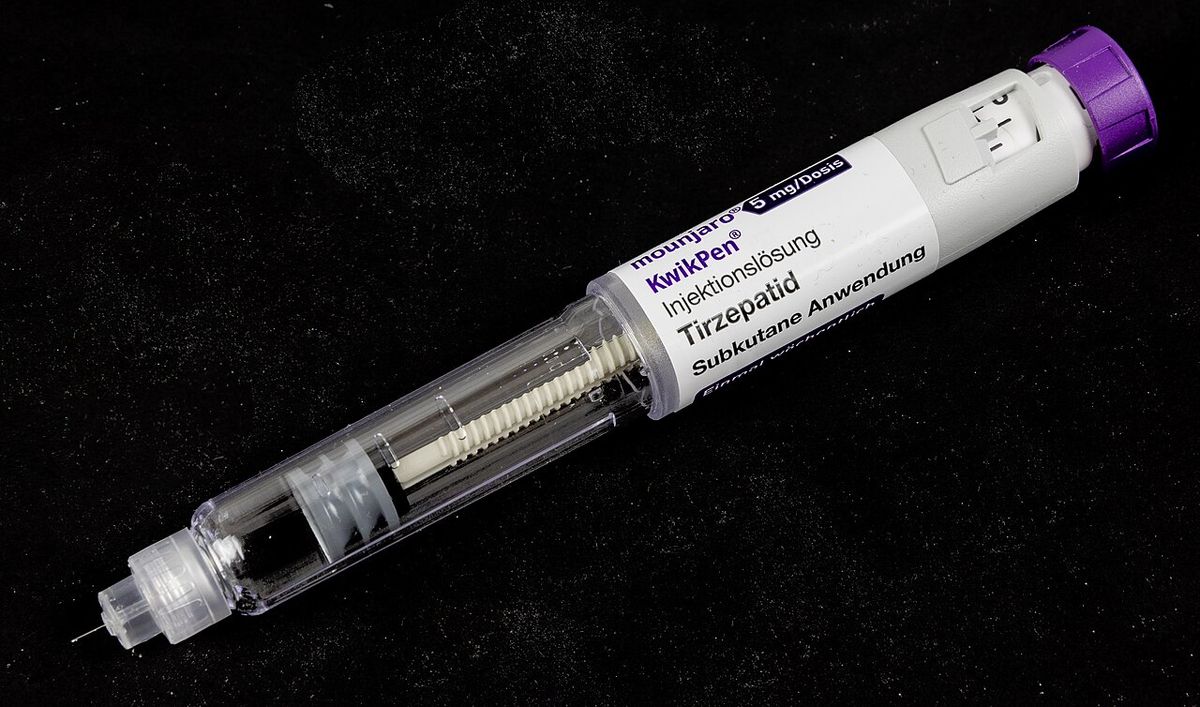
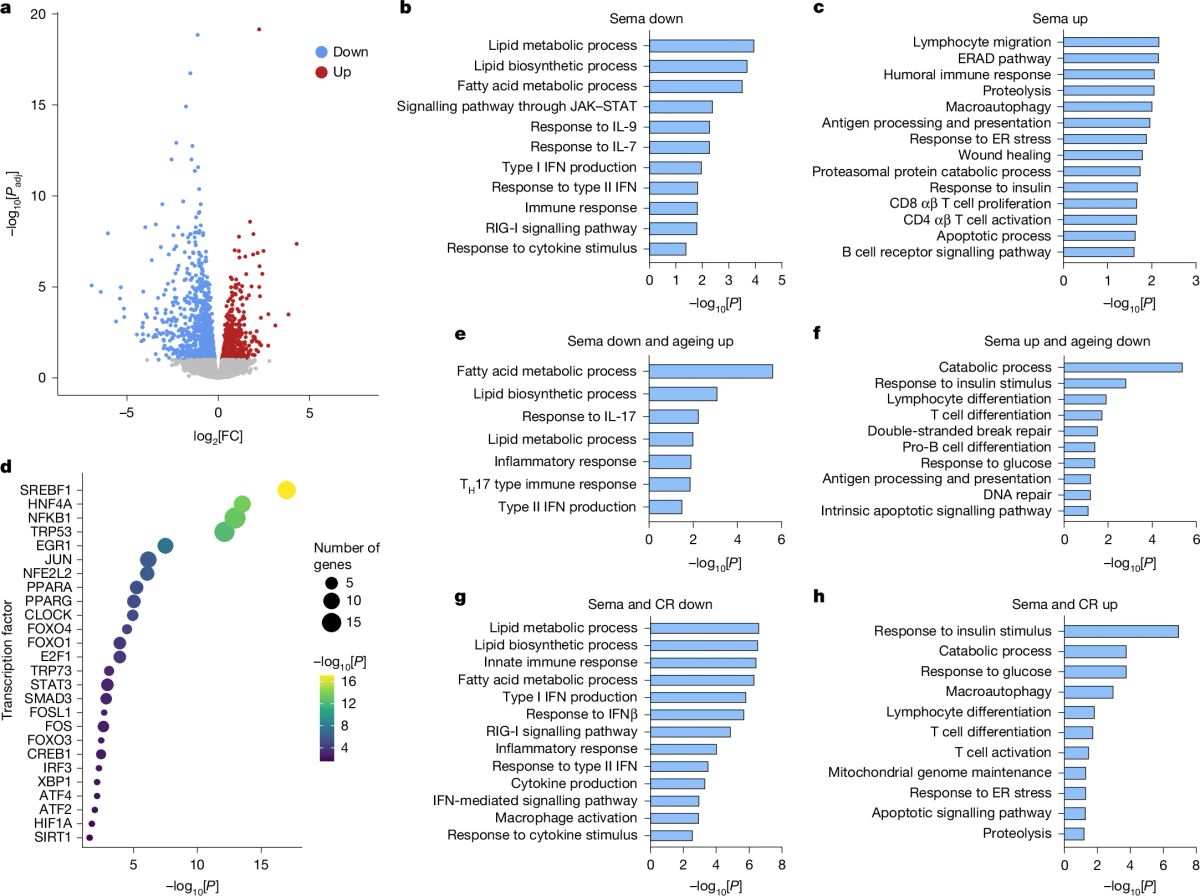
Female mice started daily semaglutide at 20 months, roughly a human mid-60s, and stayed on it for life. Median lifespan rose from 742 to 834 days, about 12%. A shorter course improved movement, muscle function, glucose tolerance, and hippocampal neurogenesis, and the gene-expression profile looked like calorie restriction. Head to head against 24% calorie restriction, semaglutide matched most of the benefit and did better on memory and glucose, without the hunger.
Evidence: Company-reported Phase III topline result; full data pending
What it means for practice
the Monday question is "is Ozempic a longevity drug," and this is the best citation yet for "in mice, started late, probably." Female mice only, no human aging endpoint, and Evoke already showed the biomarkers can move while the patient does not. A real signal, and a reason to keep the human outcome study in view before the word longevity goes on the prescription.
Source: Chen et al. · Nature · Sep 2, 2026
Originally published in The Longevity Medicine Intelligence newsletter (#105).