





This morning, I woke up reflecting, not just on my own year, but on ours as an industry. I’m grateful for the evolution. What changed since December 2024:
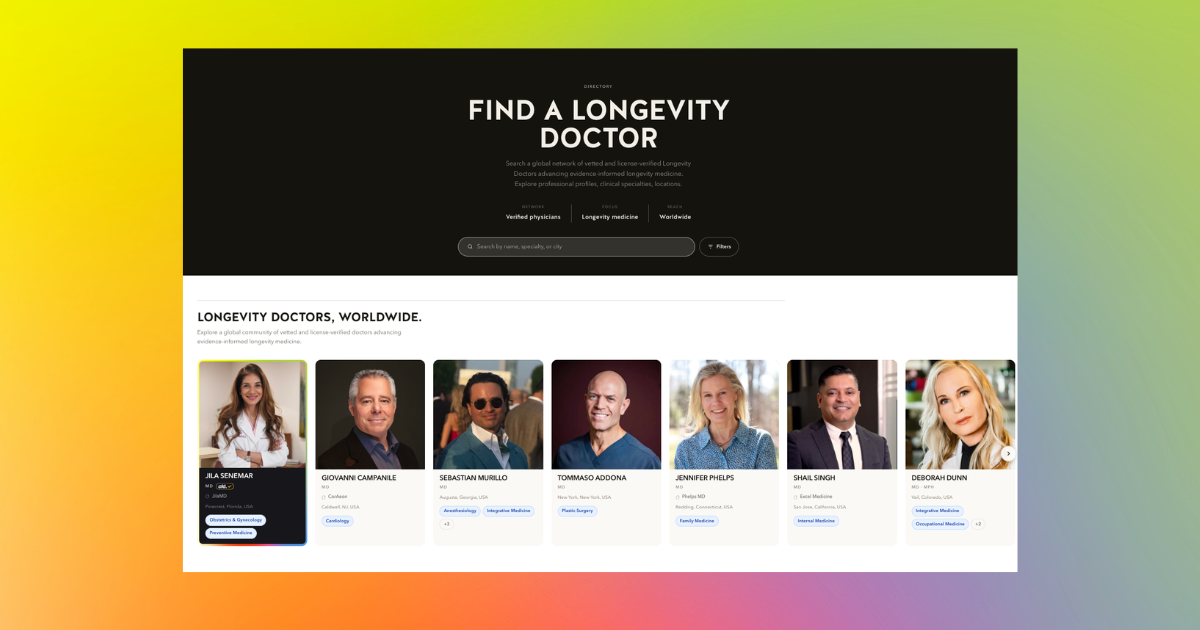
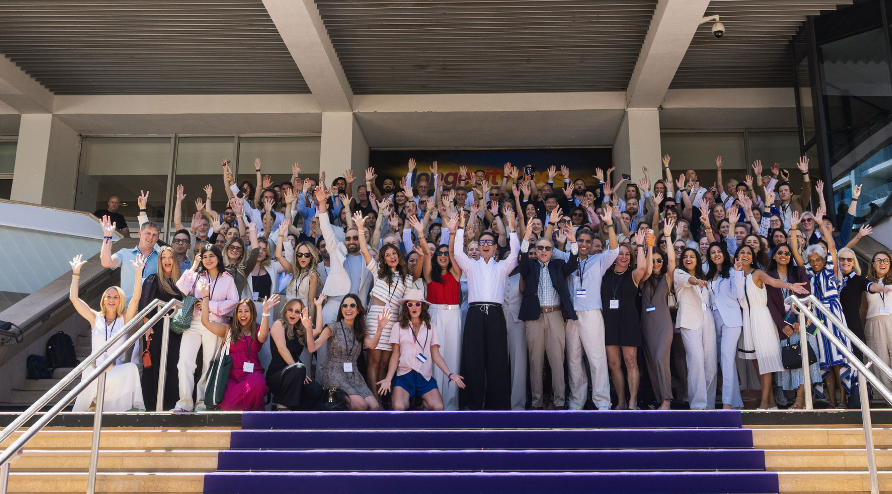
For us: we created a summit in Cannes. Launched a certification program. Built a research network. Went from 250 physicians to 600+ across 50 countries.
For the industry: i believed we matured as an industry… understanding that innovation and responsibility must grow together.
I truly believe that we underestimate what we can achieve in a year.
2025 taught us that lesson at scale. Here’s what actually happened.
Dr. David Luu - Founder, longevity docs.™
PS: this is picture of my happy place.
Each week, I try to explore one idea that could advance longevity medicine and hopefully support physicians in bringing it to life.
Longevity Medicine 2025: What Accelerated, What Broke
When we started building in 2021, most people were still asking: “What is longevity medicine, exactly?” 2025 was the year longevity medicine escaped the clinic and entered society. Here’s what actually happened.
What Accelerated
1. Longevity became pop culture
Longevity moved from niche science to mainstream conversation. From Netflix to podcasts to beauty and fashion, longevity became an aspiration, not a stigma.
2. Longevity moved beyond clinics
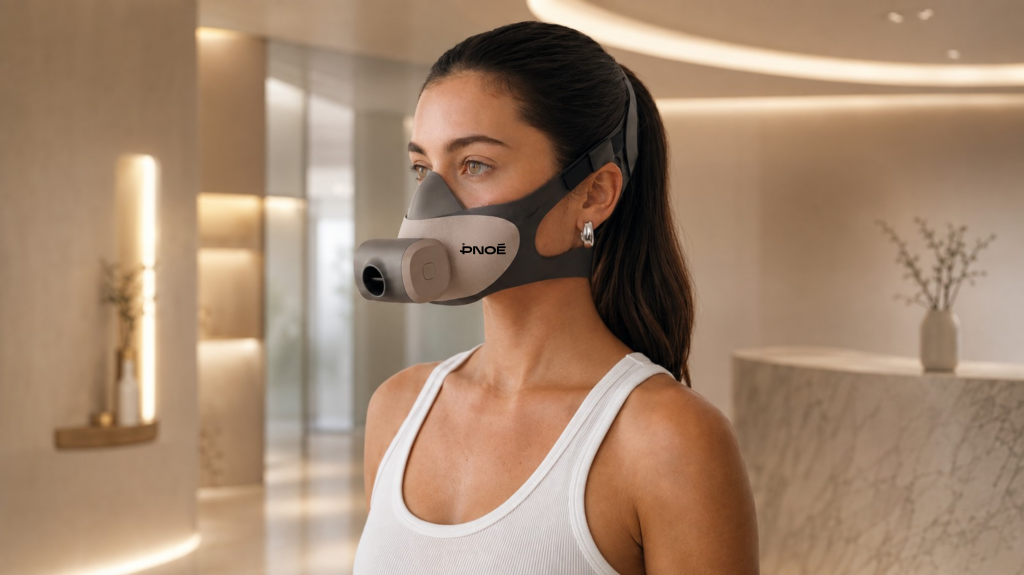
Longevity showed up in gyms, hotels, corporate wellness, and homes. Medicalized or not, consumers now access multi-tier solutions with very uneven evidence.
3. Clinics exploded
Longevity clinics multiplied fast, often faster than standards. Access and visibility grew globally, but scale clearly came before standardization.
4. Biomarkers as a commodity
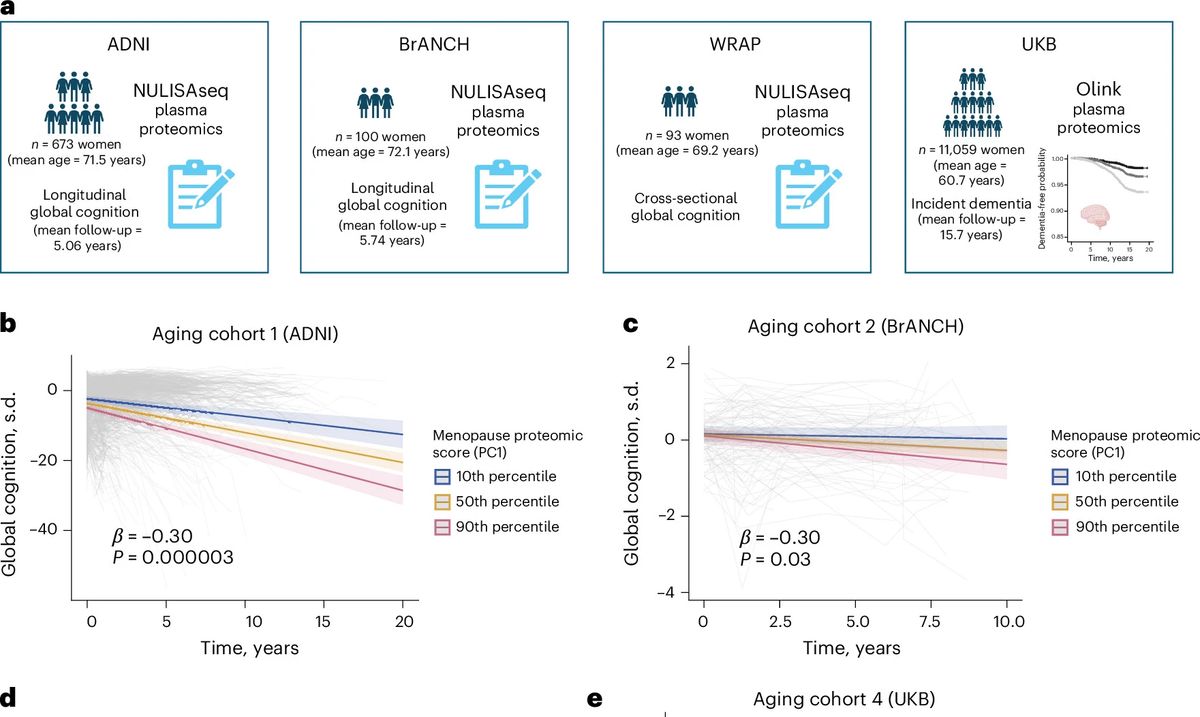
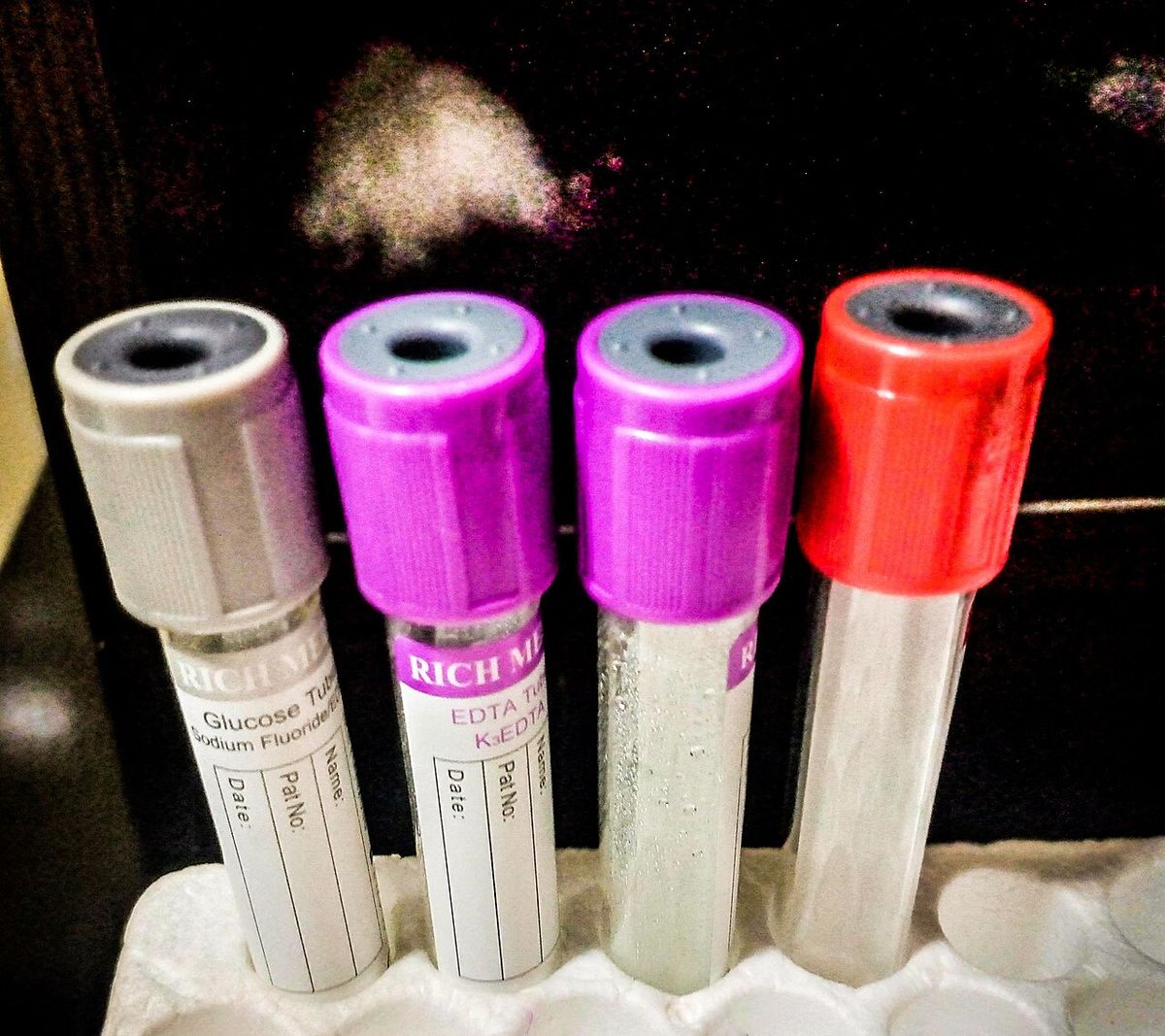
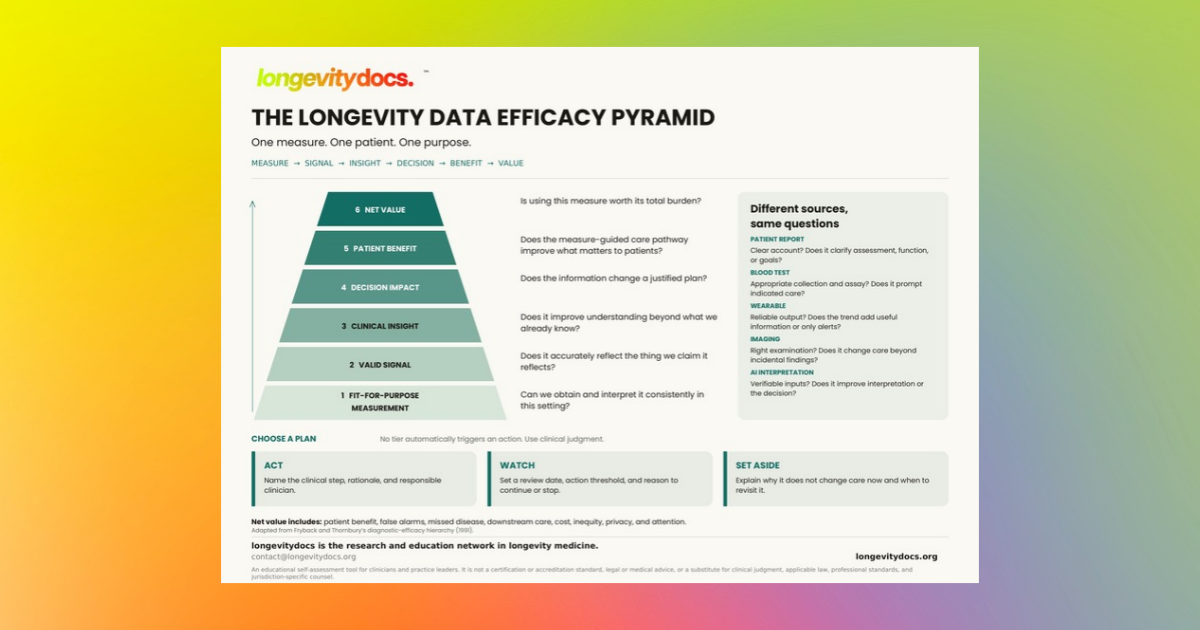
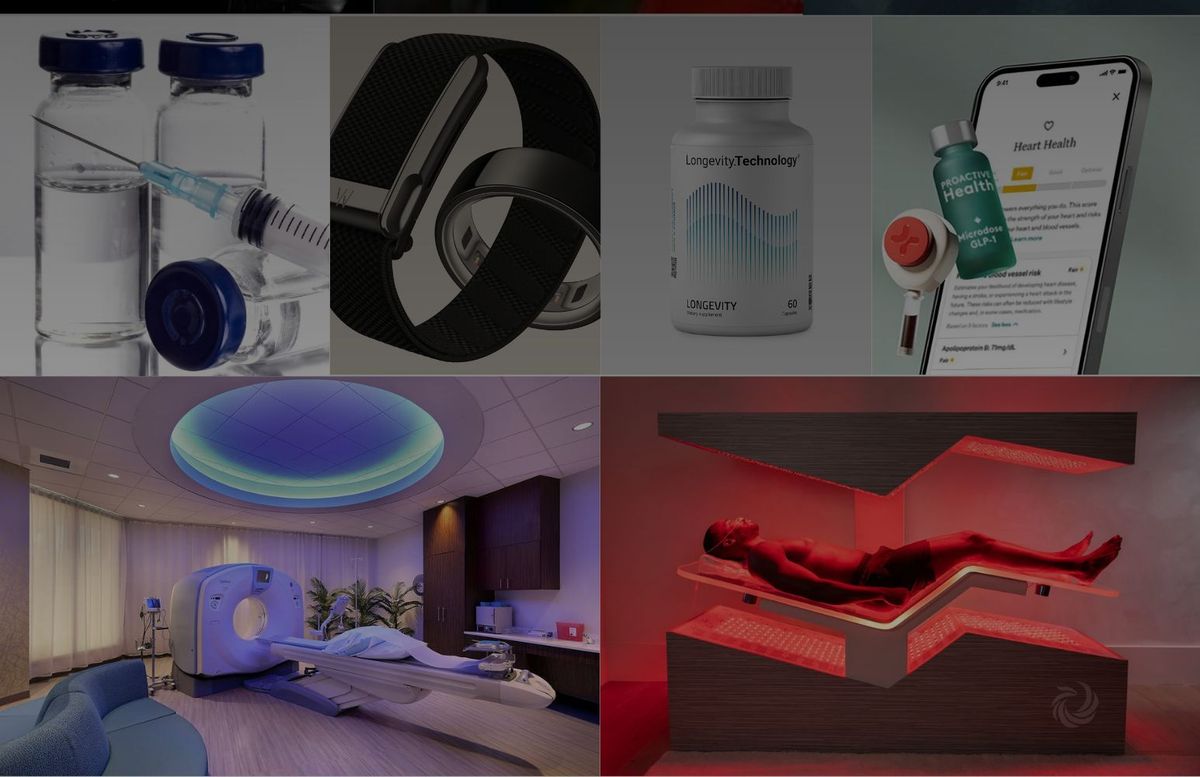
Blood tests, clocks, CGMs, and scans became affordable and mainstream. Testing got easy; interpretation did not. Data moved faster than clinical judgment.
5. Startups bet on Longevity
Companies finally treated longevity as a real category. 2025 brought longevity EMRs, supplement, skin health, test, wearables, and full tech stacks for longevity care.
6. Education scaled fast
Conferences, certifications, and courses exploded. Demand for knowledge outpaced the field’s ability to ensure depth, rigor, and competence.
What Broke
7. The black market expanded
Peptides and hormones flooded grey markets as demand outpaced regulation. “Research only” became a label, not a safety standard.
8. Polypharmacy became normalized
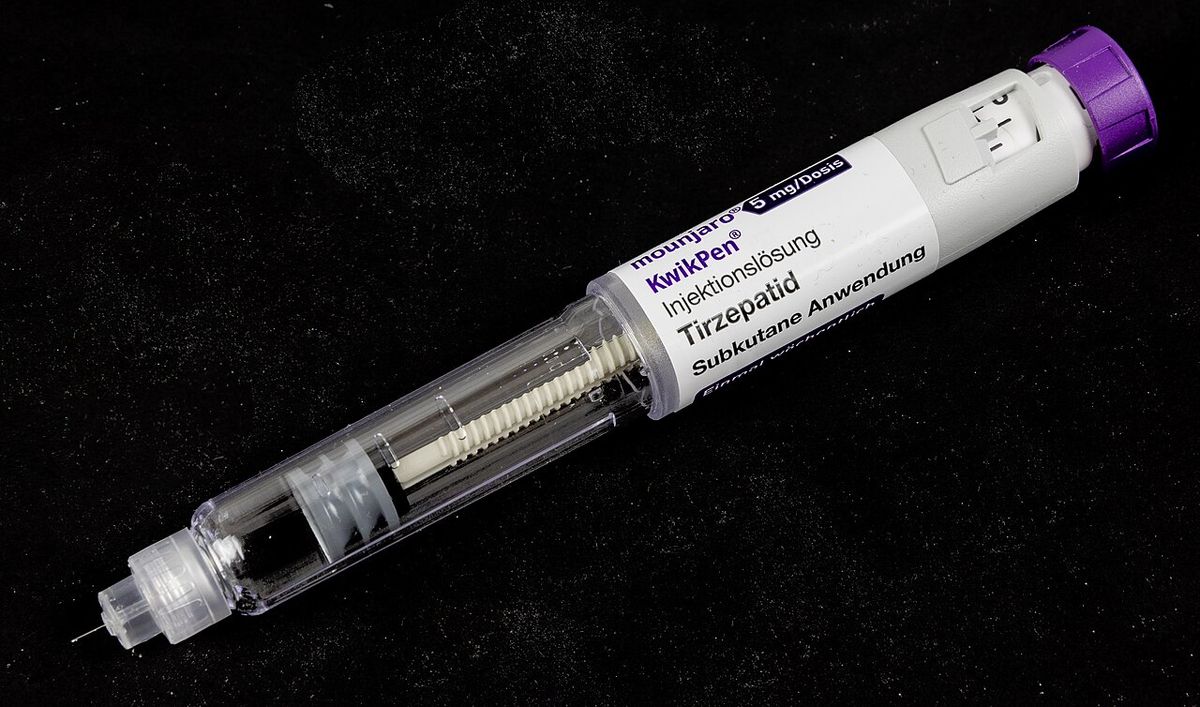
Patients stacked GLP-1s, peptides, hormones, and supplements freely. Personalization often blurred into complexity without clear evidence or stopping rules.
9. Followers replaced credentials
Longevity became content, and authority fragmented. Reach sometimes mattered more than outcomes, and patients often heard influencers first.
10. The workforce gap became obvious
Doctors were asked to practice longevity medicine without being trained for it. The bottleneck isn’t innovation: it’s education, judgment, and clinical standards.
The Real Takeaway of 2025
Longevity medicine didn’t fail in 2025. It scaled faster than its foundations. 2026 will be about standards, training, and restraint o r let the loudest voices define it.
Next week: my 2026 predictions.
____
Join 600+ physicians across 50+ countries shaping the future of longevity medicine.
Apply to Join the Network | Learn About CLD Certification | Register for AI Mastermind
Every week, the longevitydocs WhatsApp group feels like a front-row seat to the future of medicine. Here’s what had doctors buzzing:
Originally published in The Longevity Medicine Intelligence newsletter (#76).