











The study
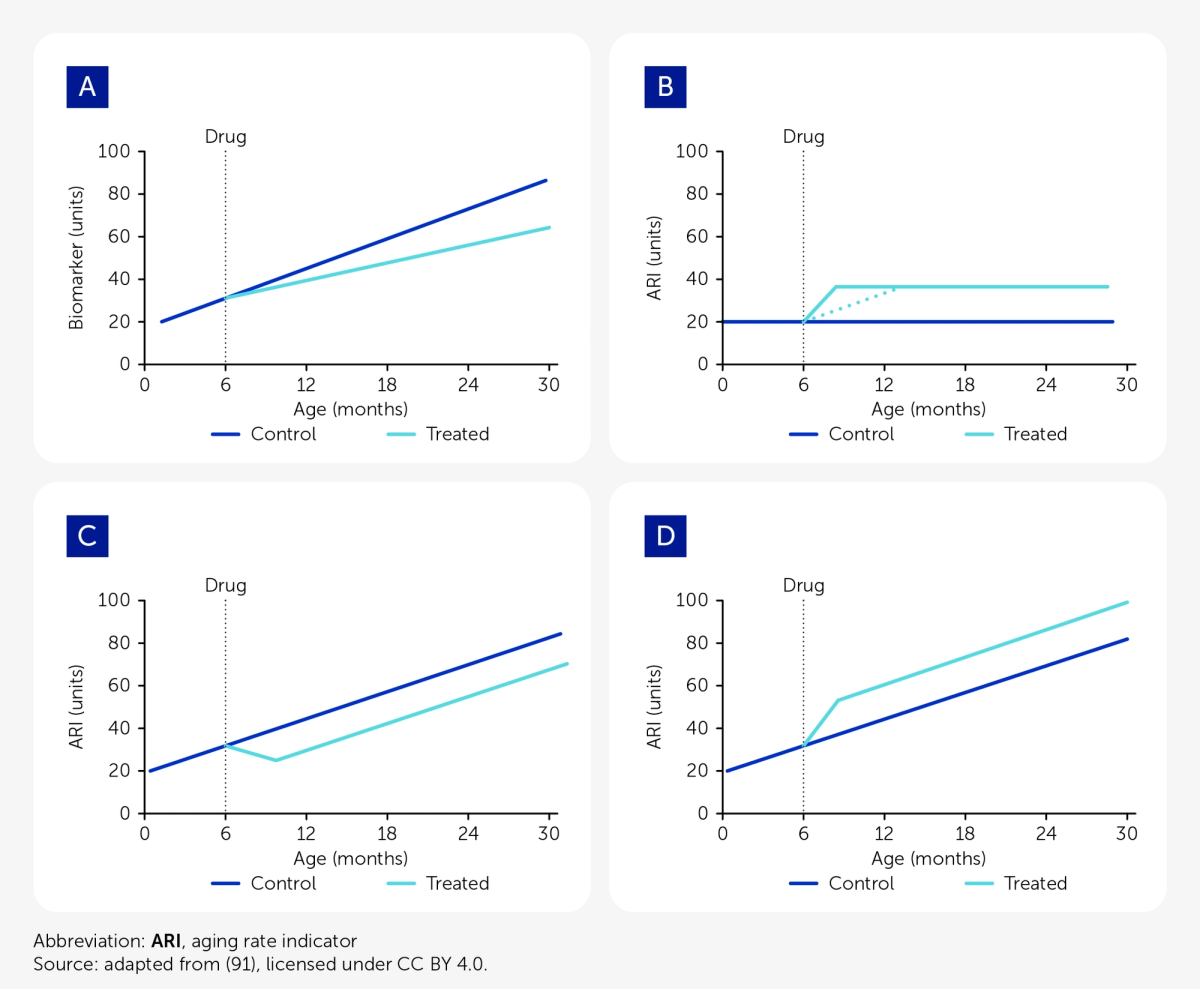
A biological-age clock is an odometer: how far you have aged. An aging rate indicator, or ARI, would be a speedometer: how fast you are aging now. Austad, Kaeberlein and Miller went looking for one in the mice that live longest in the NIA’s Interventions Testing Program (ITP), where eight drugs, including rapamycin, acarbose and canagliflozin, extend lifespan by 12 percent or more. Twelve shifts kept showing up across those mice, from lower mTORC1 activity to higher UCP1 in fat. If the same shifts can be read from one midlife blood draw, a drug’s effect on aging could be judged in months. A clock needs two timepoints to say the same thing.
What it means for practice
Useful language for the next patient with an Apple Health Age. That number is an odometer, not a speedometer, and we prescribe against neither. ARIs are mouse data with no human panel yet. The real argument in the paper is that these drugs work when started in midlife, which supports late-start trials, not off-label rapamycin.
Source: Austad et al, Frontiers in Science, Sept 17, 2026.
Originally published in The Longevity Medicine Intelligence newsletter (#107).