











The study
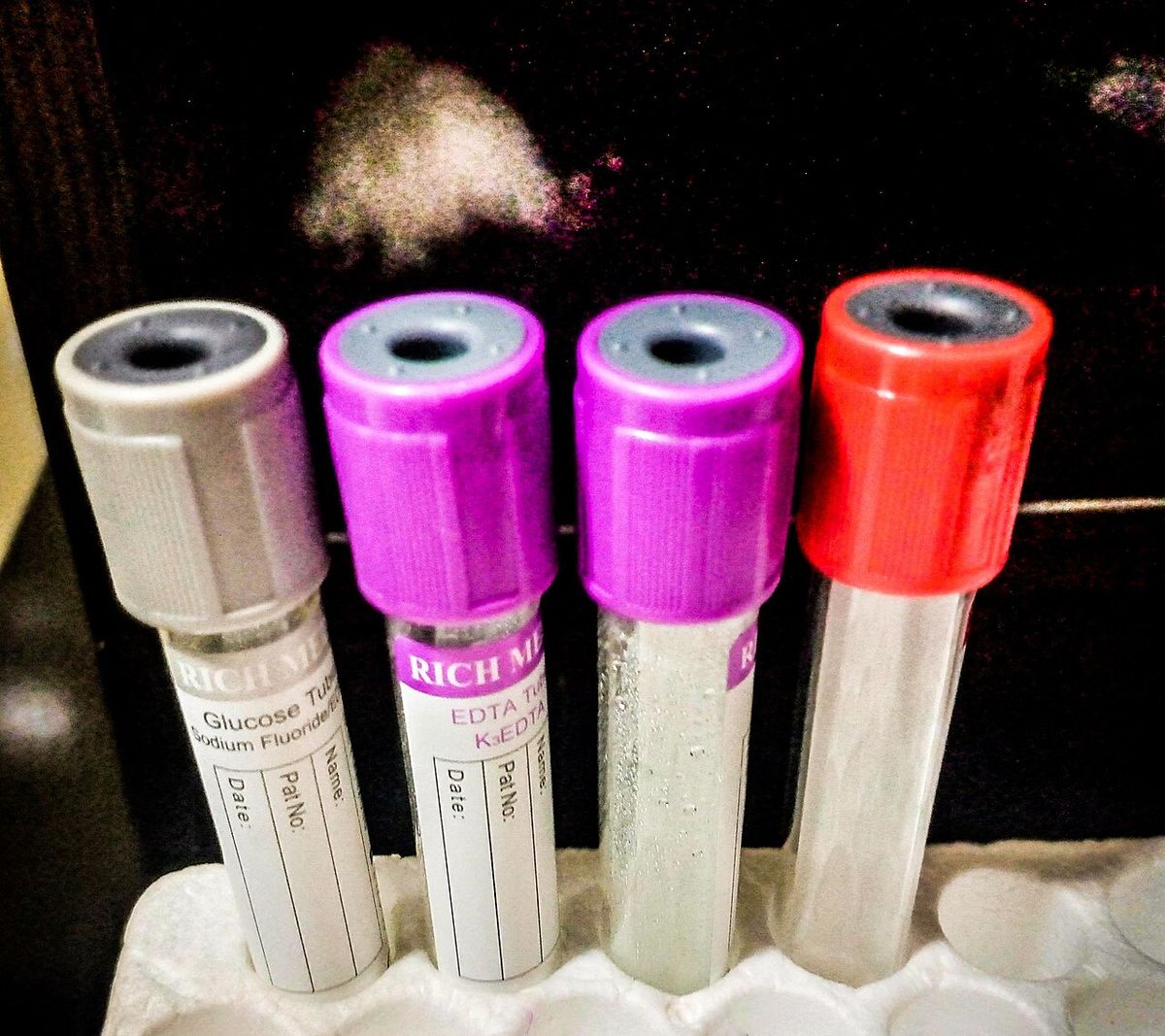
We know exercise protects against metabolic disease and infection. This paper asks what it does to the blood. A team at BGI Research in Shenzhen compared 40 adults exercising at the WHO threshold with 46 sedentary controls, all in their late twenties, and read their plasma and 1.3 million immune cells down to the chromatin. Exercisers had the familiar labs, lower glucose and triglycerides, higher HDL, and underneath, a plasma signature of fat burning and antioxidant defense. Their monocytes and B cells had antigen-presentation genes more open and more active. Killer T and NK cells were primed, with the inflammatory switches AP-1 and NF-κB turned down. Cell-to-cell signaling shifted from resistin and IL-6 toward antigen presentation and interferon-γ.
What it means for practice
The mechanism under the advice we already give: exercise sharpens immune surveillance and quiets inflammation, and each effect now has an address in the genome. A snapshot of young, self-reported exercisers, so it explains rather than proves. The finding to watch is resistin, a monocyte signal that acts on the vascular wall. Exercise turned it down.
Source: Song et al., Science Advances, Sept 18, 2026.
Originally published in The Longevity Medicine Intelligence newsletter (#107).