



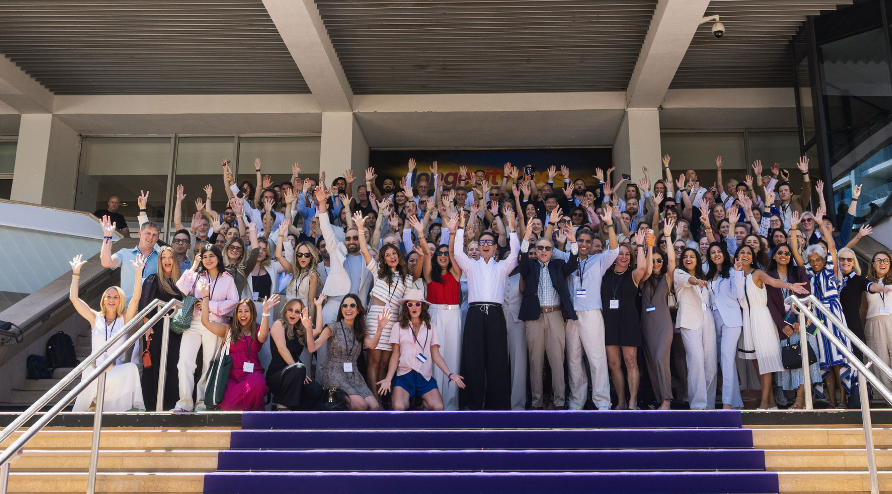
Sundays are always a great time to reflect. Exactly a year ago I was coming from Davos where we hosted an inaugural discussion on longevity medicine. I am grateful for the amazing community and ecosystem we built in a year. Especially how much more mature the field became. "Longevity Medicine" is globally discussed, challenged, and gathering more physicians who are excited to learn and connect to treat patients better.
I talked to dozens of doctors in our certification program and it was very cool to hear them say:
“It’s refreshing to finally have a physician-only, physician-led space. That alone makes a difference.”
“This feels like a new layer of medicine that every specialty can add on top of what they already do.”
“I needed to be excited about learning medicine again and this did that.”
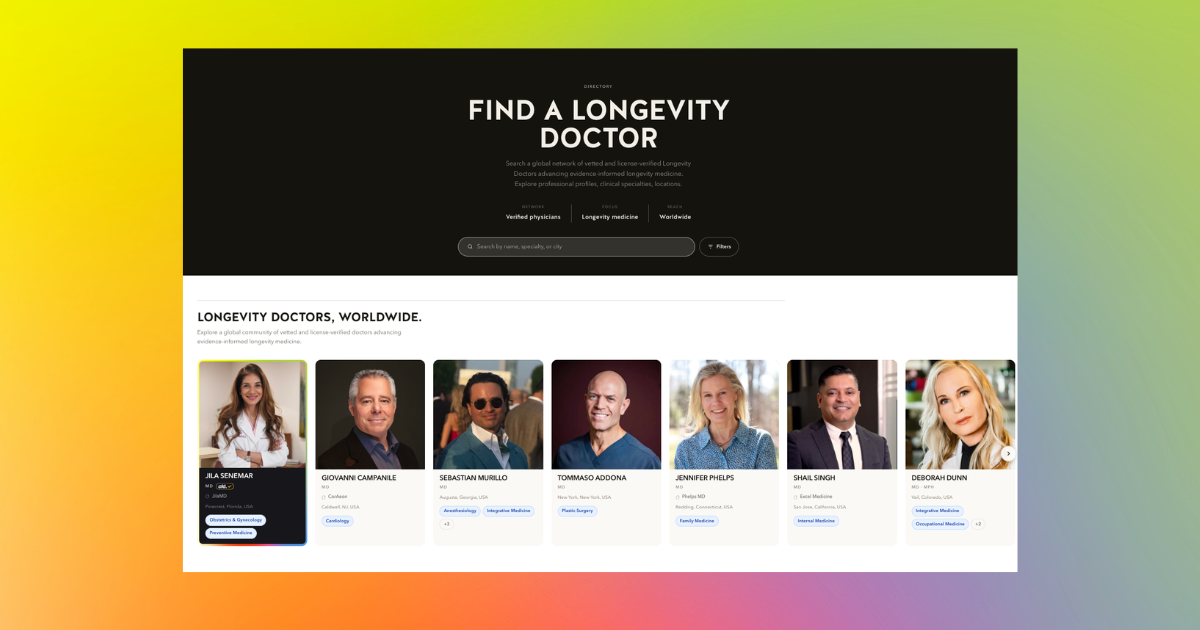
“longevitydocs feels like the right community for physicians who want to practice preventive and precision medicine seriously.”
“You’ve created a hub where physicians interested in longevity can actually find each other.”
It give us the community, the team, the ecosystem to keep believing in our mission.
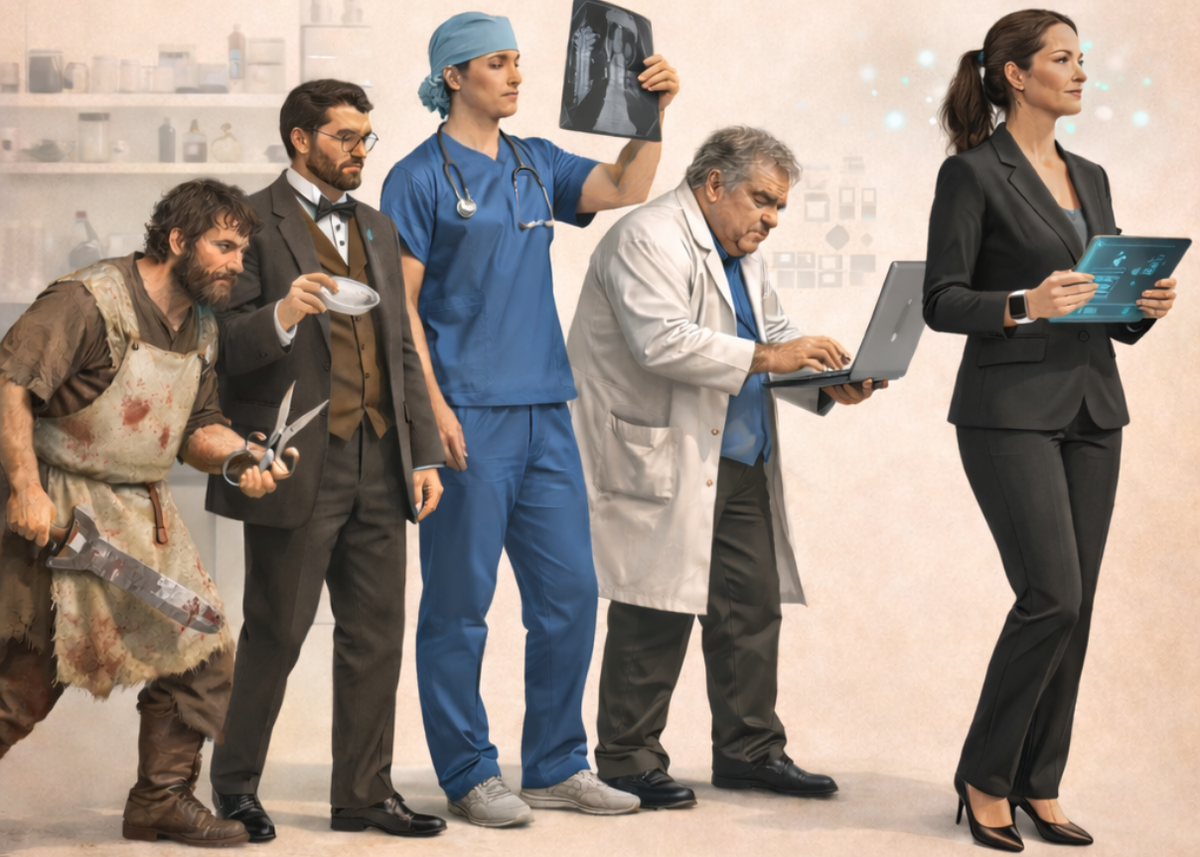
Medicine has always evolved. The science evolves. The therapies evolve. The technologies evolve. Our role has evolved from barber-surgeon to specialist to digital scribe.
Now we evolve again.
PS: Stay warm if you are in the storm… or go skiing;)
Dr. David Luu - Founder, longevity docs.™
Each week, I try to explore one idea that could advance longevity medicine and hopefully support physicians in bringing it to life.
Do we have to reinvent ourselves?
As physicians, we’ve spent decades mastering our craft. Now, technology is reshaping everything we thought we knew about how medicine works.
But this isn’t the first time.
In the 1500s, doctors were barber-surgeons: craftsmen who cut hair and amputated limbs.
The 1800s brought germ theory and medical schools, transforming us into diagnosticians.
The 1900s fragmented medicine into specialties, making us technicians.
The 2000s turned us into digital scribes, typing while patients talked, drowning in EHRs.
Each era demanded reinvention. Each time, we feared obsolescence. Each time, we emerged more essential, not less.
Now we’re at another inflection point.
Imagine a world where laboratory testing becomes a commodity. Where data is monitored continuously. Where AI analyzes signals in real time: flagging rising cardiovascular risk and detecting diseases of aging before symptoms ever appear.
In that world, what is the role of the doctor? Are we still part of the equation?
I was listening to Jensen Huang on a panel saying that radiologists are busier than ever; precisely in a field where many assumed AI would replace them. Instead, AI allows them to read more images, faster and with greater accuracy. Productivity increases. Access improves. Clinical judgment becomes more valuable, not less.
In a world where physicians are becoming scarce (who wants to get into med school and debt - in the US), improving productivity is not optional if we want to care for more patients, not fewer.
Now imagine the near future.
A patient is referred to you but because AI identified you as the best fit for her profile. She arrives with her labs, imaging, and functional testing already completed at a longevity hub. A digital twin has modeled her risks and proposed evidence-based interventions and therapies.
So what is your role?
More human than ever.
Today, doctors are stepping into a new function, one patients are actively seeking. Technology handles the volume, the monitoring, the pattern recognition. Physicians are finally free to practice the art of medicine again.
The new roles of the longevity doctor:
- The Educator: translating complex science of aging into actions
- The Guide: helping patients navigate choices and trade-offs
- The Analyst: validating insights, challenging assumptions, applying clinical judgment (based on decades of expererience)
- The Motivator: supporting behavior change months over month, listening, motivating
Human consultation will become a luxury: not because it is rare, but because it is deeply valuable. Technology will democratize access to high-quality longevity care; physicians will elevate it.
We must be ready for this transition. Ready to train the next generation. Ready to empower patients to take ownership of their health.
One physician recently told me:
“I’m building a community, not just to treat my patients, but to educate them, understand them better, and support them over time.”
AI will not dehumanize medicine. If we do this right, it will finally allow medicine to become what it was always meant to be:
Preventive. Personalized. Human.
This is why longevitydocs exists: to help physicians build the infrastructure that makes longevity medicine the new standard of care.
Every week, the longevitydocs WhatsApp group feels like a front-row seat to the future of medicine. Here’s what had doctors buzzing:
Originally published in The Longevity Medicine Intelligence newsletter (#80).