
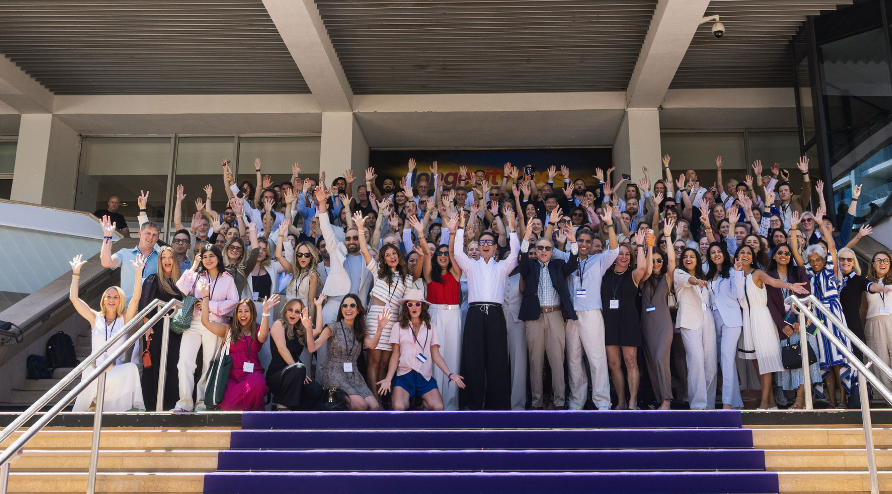
I’m in France after a few days in Riyadh for the Zenos Health Summit, where longevity has become a real topic of conversation, among local doctors, entrepreneurs, and even the public sector.
What’s interesting to me is how the conversation became global. There’s excitement everywhere: information, technologies, companies popping up left and right. But the loudest voices setting the tone? They’re on Instagram, TikTok, podcasts, really in clinical and research.
Can they be trusted? And what’s our role as physicians in all this?
I don’t have the answers in this edition, but I think these are questions we need to start discussing.
Healthy Sunday!
PS: Many longevitydocs in Saudi Arabia to democratize longevity literacy. Love our community!
Dr. David Luu Founder, longevitydocs www.longevitydocs.org
In this week newsletter:
- Cover Story: Tik Tok Medicine
- Buzz in the Chat: Body Composition Gold Standard • Liquid Biopsy • Rapamycin & LDN Responders
- Research Radar: Pathfinder 2 • TBI
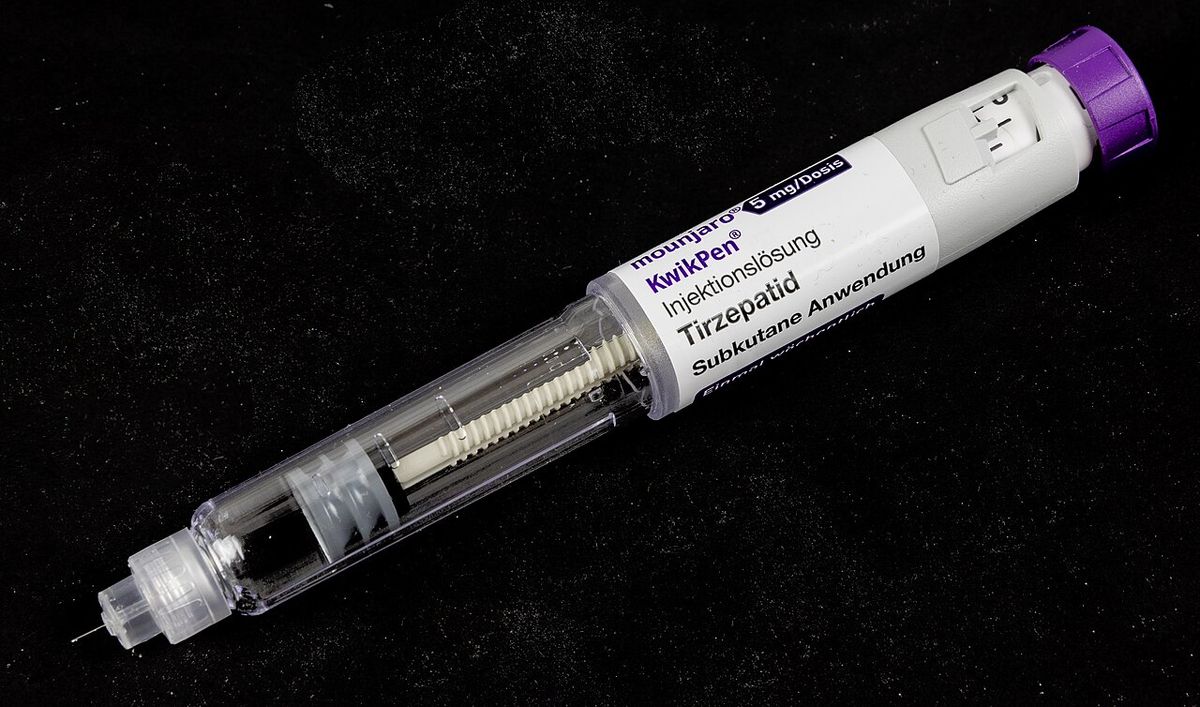
- Longevity in the News: GLP-1 & Consumer Behavior •
- Longevity Intelligence: Generation Labs • Grail
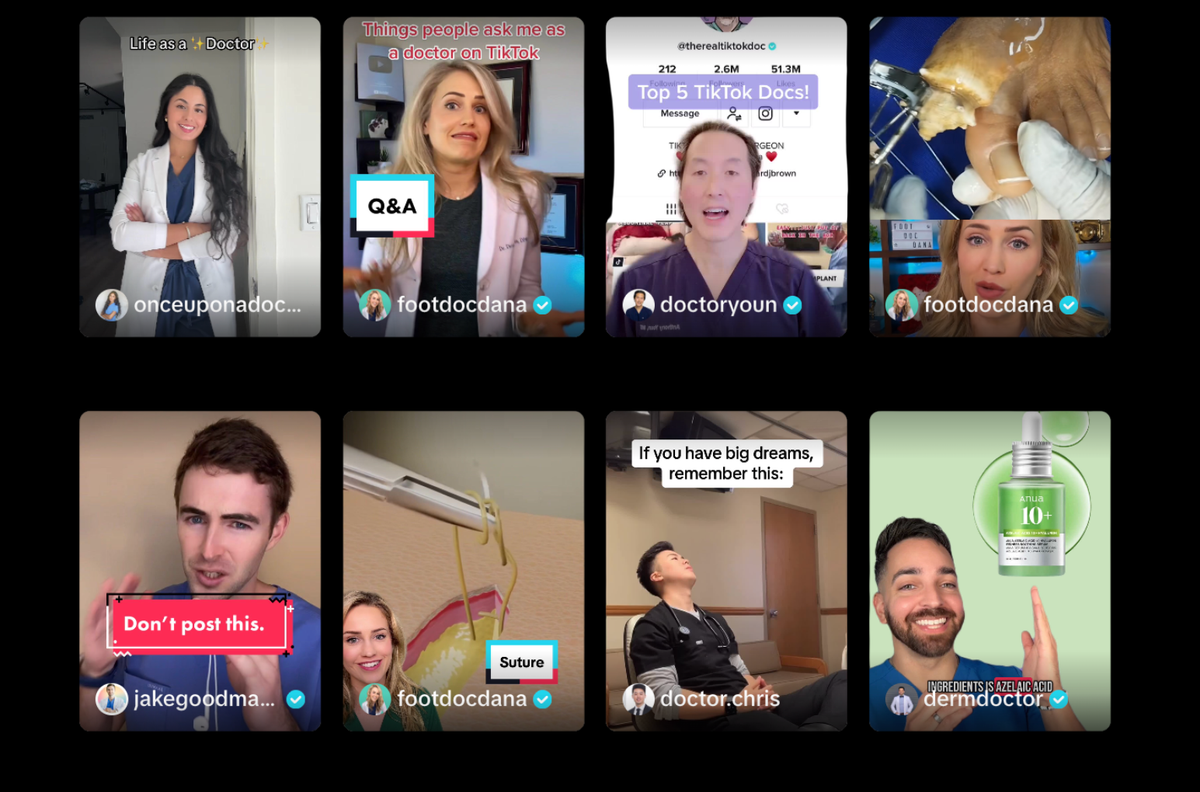
A few years ago, we were worried about “Doctor Google.” Now we have “TikTok Docs”
Medicine didn’t disappear with, newspapers, blogs or tweets, and it won’t disappear with reels. But the platform has changed the game: information is instant, emotional, and often viral before it’s verified.
And when it comes to longevity, it feels like everyone has an opinion … expert or not, licensed or not.
We wouldn’t take flying lessons from someone who isn’t a pilot. We wouldn’t build a house designed by someone who isn’t an architect. So why do we trust our health (our most valuable asset) to whoever has the most followers?
That’s the paradox of modern wellness: the higher the stakes, the lower the filter.
The question isn’t whether TikTok medicine is good or bad. It’s what it reveals about where patients are looking for health literacy and why they’re not hearing it from us.
Why “TikTok Medicine” Exist
- Health curiosity is booming. People are more aware of their biology, biomarkers, and potential to live longer and better.
- Health education escaped the clinic. The internet democratized information. Wellness creators simply filled the communication gap doctors left open.
- Doctors rarely teach publicly. Time pressure, fear of regulation, and lack of media skills keep most physicians offline, leaving space for louder voices.
- Innovation outpaces consensus. Longevity science evolves faster than official guidelines, and doctors who ignore it risk sounding outdated.
- Patients will follow whoever educates them. If credible physicians don’t show up, algorithms will decide who becomes the next health authority.
The Hidden Cost of “TikTok Medicine”
- Science gets oversimplified. Medicine is complex, but 15-second clips turn nuanced studies into catchy soundbites that distort the evidence.
- Risks rarely make the edit. Supplements and drugs aren’t harmless: interactions, side effects, and false positives can easily be overlooked.
- Influence blurs into promotion. When credibility meets promo codes, products spread faster than proof, often without real data behind them.
- Research moves faster than posts. Science evolves daily, but online content freezes it in time. Without context, early findings become “facts.”
- Quick fixes replace real outcomes. Viral wellness tips chase symptoms, not systems. True longevity requires monitoring, personalization, and expertise.
So… Is “TikTok Medicine” Good or Bad?
Both and neither. It’s inevitable. The problem isn’t that influencers exist. It’s that physicians haven’t yet reclaimed their role as educators.
Health literacy is no longer something we do inside the clinic. It’s something we must do for the world: visibly, simply, and consistently.
When doctors teach, explain, and contextualize, TikTok Medicine becomes a tool not a threat.
The Rise of the Educator-Physician
The next generation of longevity doctors will master both sides: science and storytelling. They’ll talk biomarkers and aging mechanisms with simplicity and empathy They’ll translate complex research into clarity the public can act on.
That’s why the Certified Longevity Doctor (CLD) program exists: to train physicians in protocols, communication, business, and clinical leadership in the age of TikTok Medicine.
We are living in a moment of cultural shift in medicine, and I’m super excited about it!
Originally published in The Longevity Medicine Intelligence newsletter (Issue 68).