
The case: ferritin at 482, one HFE H63D variant, normal iron and TIBC. What else beyond phlebotomy?
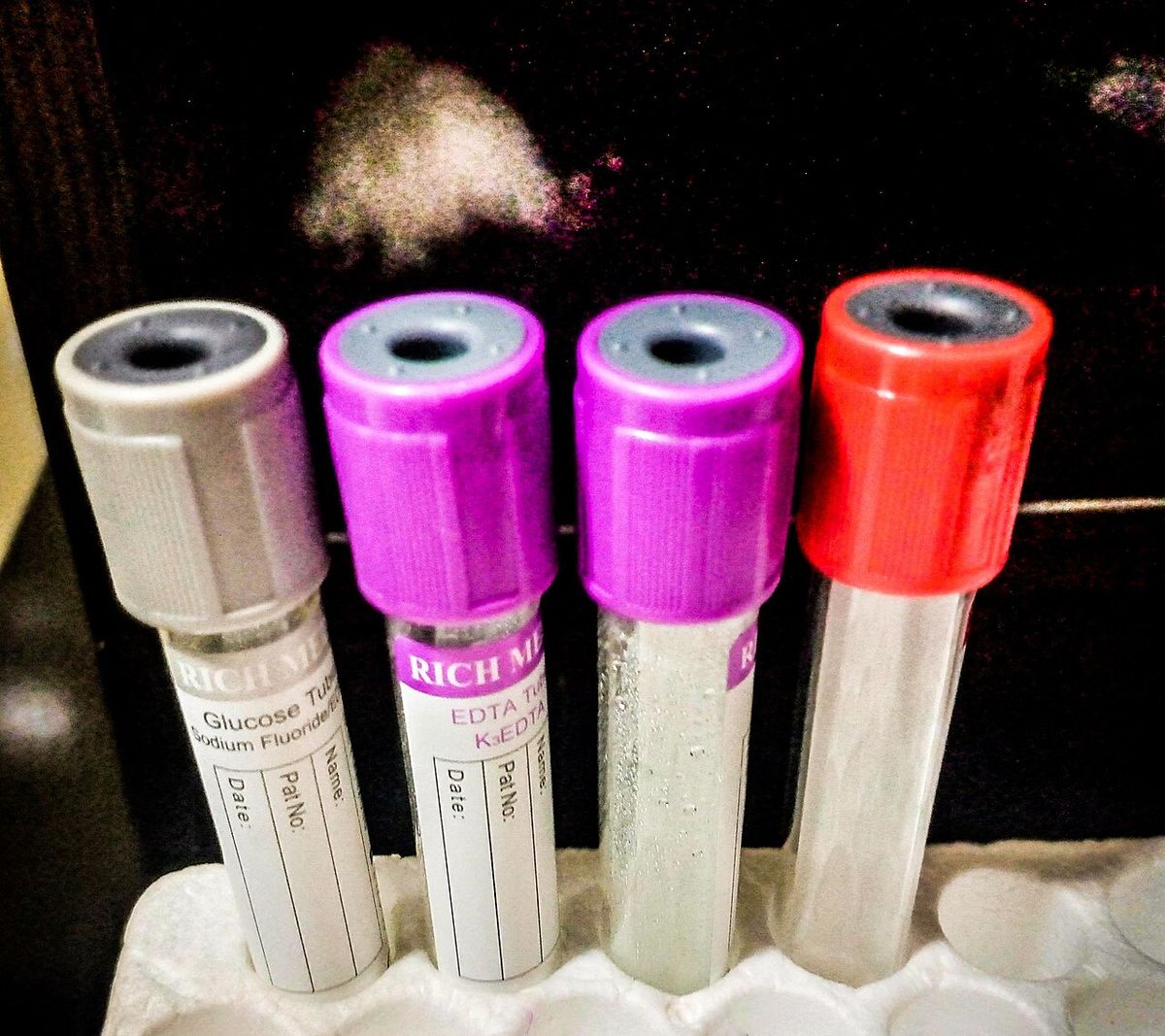
One physician laid out the workup: transferrin, TIBC, liver enzymes, CRP, ESR, uric acid and LDH, and rule out alcohol, intense exercise in the previous 72 hours and inflammation. A cardiologist cut to the first branch point: measure transferrin saturation. Above 45% is iron overload; otherwise think fatty liver, malignancy or another inflammatory condition.
Others added a hepatitis screen, CGM and liver imaging, and one shared a case where unexplained hyperferritinemia turned out to be SAPHO syndrome presenting as severe acne. Two physicians described persistent post-COVID ferritin elevation (377 to 700) with normal inflammatory markers; one is trialing lactoferrin.
One member asked the group to think upstream: why is the body sequestering iron in the first place? Another linked hepcidin upregulation in patients on rapamycin to mild iron deficiency anemia.
Key takeaways
- Transferrin saturation is the first branch point.
- Think liver, inflammation, autoimmune, post-viral and medication causes, including rapamycin.
- Do not phlebotomize reflexively without understanding the mechanism.
From Buzz in the chat, the longevitydocs™ Sunday newsletter, May 3, 2026. Member discussion, not clinical guidance.
Originally published in The Longevity Medicine Intelligence newsletter.