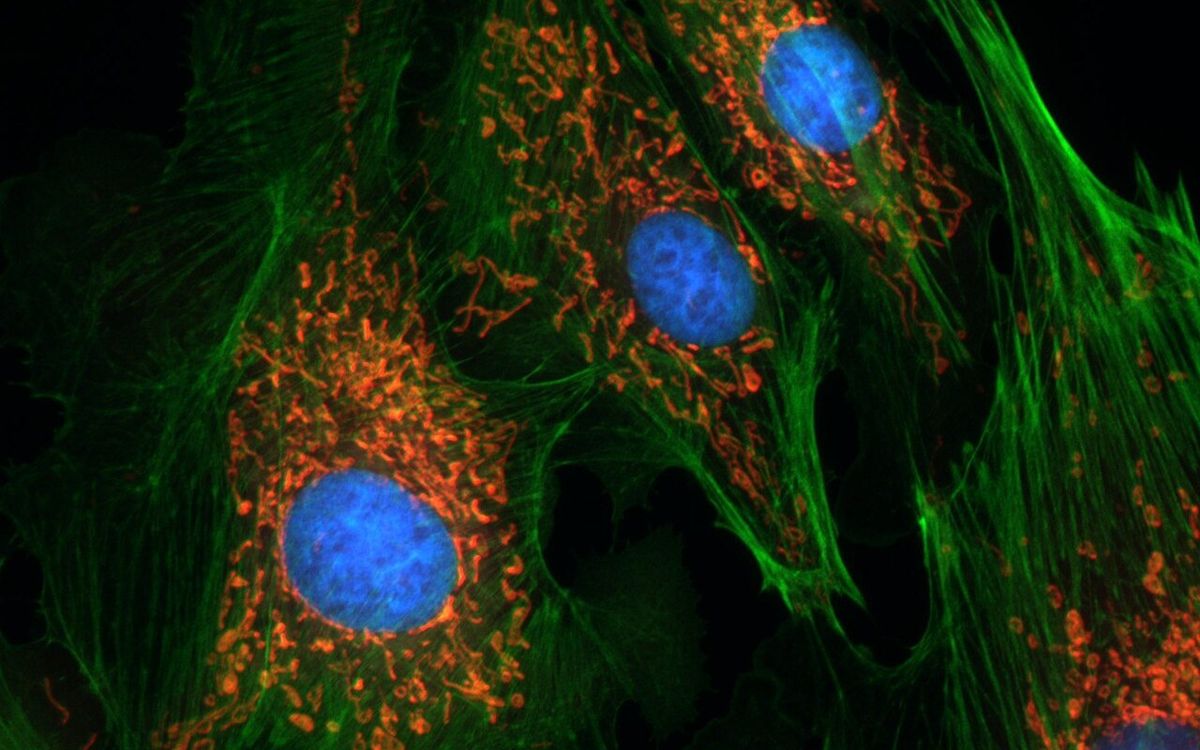
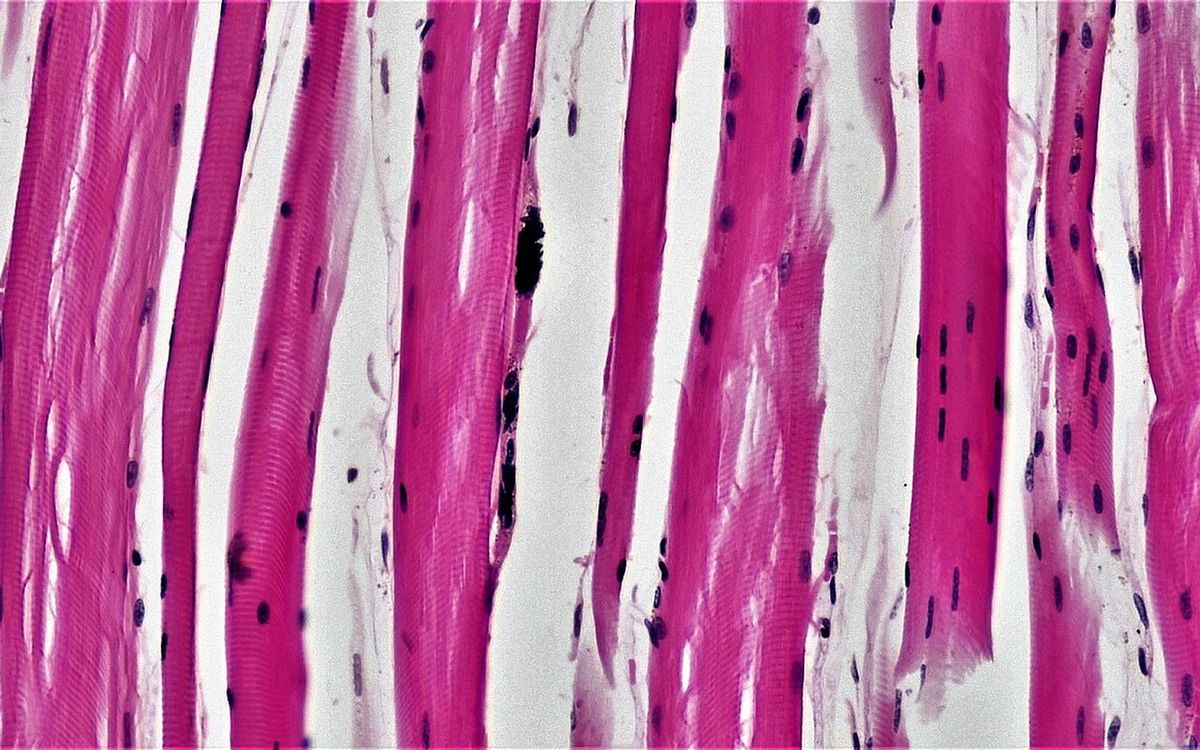








Aged muscle has a paradox: mitochondria work worse, yet fibers shift toward the oxidative type. This paper finds the switch. Cardiolipin, the lipid that holds the inner mitochondrial membrane together, falls with age in mice and in humans (53 to 69 versus 22 to 35 years). Its synthase, CRLS1, is the most reduced enzyme in old muscle.
Deleting cardiolipin in young mice reproduced the aged pattern: glycolytic fibers turned oxidative through a mitochondria-to-nucleus signal via ERRγ and MYOG. Restoring Crls1 in adult knockout mice rebuilt cardiolipin, began reversing atrophy and fully rescued premature death. One surprise: the antioxidant NAC made things worse.
Why it matters
It pairs with the Lancet Healthy Longevity view of sarcopenia as an energy-supply failure, and gives that view a molecule. Fast glycolytic fibers are the ones that catch a fall. Resistance and power training remain the intervention we have. The NAC result is a useful reminder to patients stacking antioxidants that more is not always better.
Source: Finger et al. Mitochondrial membrane lipid cardiolipin controls fiber-type adaptations in aging muscle via estrogen-related receptor γ. Nature Aging, September 29, 2026.
Originally published in The Longevity Medicine Intelligence newsletter.