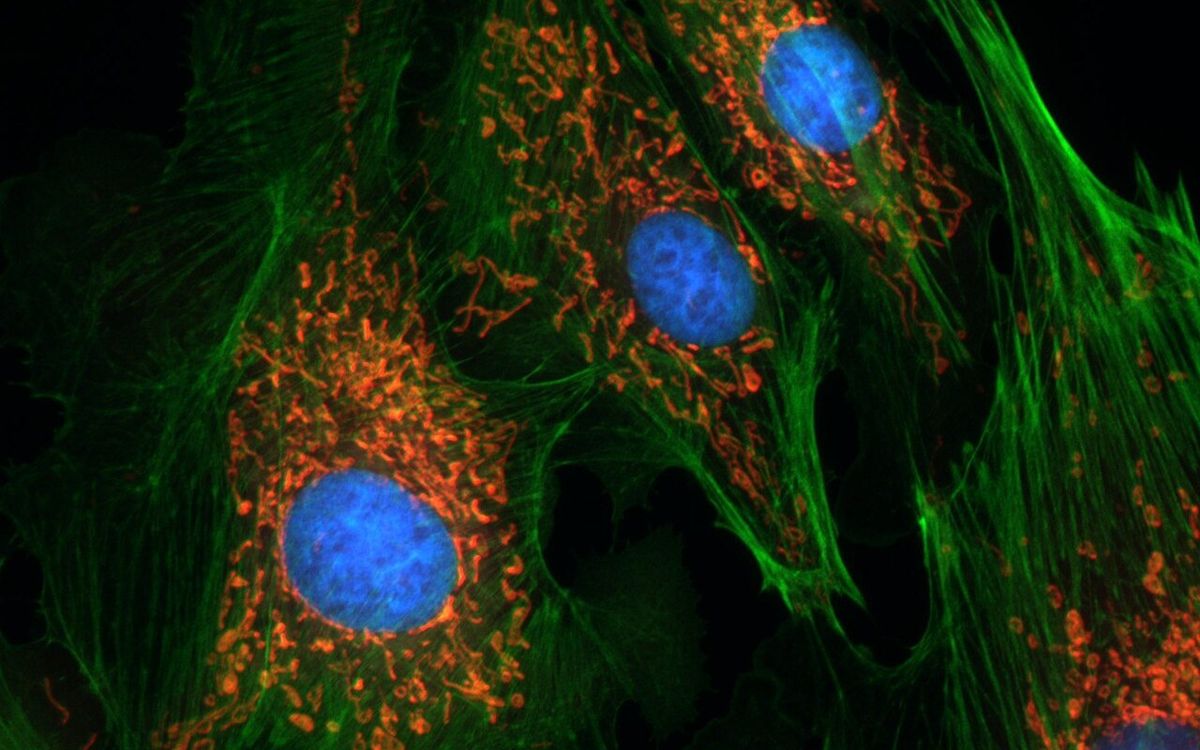









Exercise helps aging joints, and now there is a messenger. Fabrisia Ambrosio's team found that exercise loads circulating extracellular vesicles with microRNA-29. Those vesicles reach chondrocytes and switch the longevity gene Klotho back on, returning old cartilage cells to a younger phenotype.
Three months of aerobic exercise raised miR-29 in vesicles from older adults' blood. Injecting exercise-primed vesicles into aged mouse knees improved cartilage health, and engineered miR-29 vesicles did the same through a Klotho-dependent path.
Why it matters
"Exercise is good for osteoarthritis" now has a mechanism you can explain to the patient who fears that moving will wear the joint out. Aerobic work counts, not just strengthening. Longer term, miR-29 vesicles are a candidate injectable for patients who cannot exercise.
Source: Iijima H, Ambrosio F et al. Exercise enhances aged chondrocyte health through microRNA-29-enriched extracellular vesicles. Nature Aging, September 29, 2026.
Originally published in The Longevity Medicine Intelligence newsletter.