

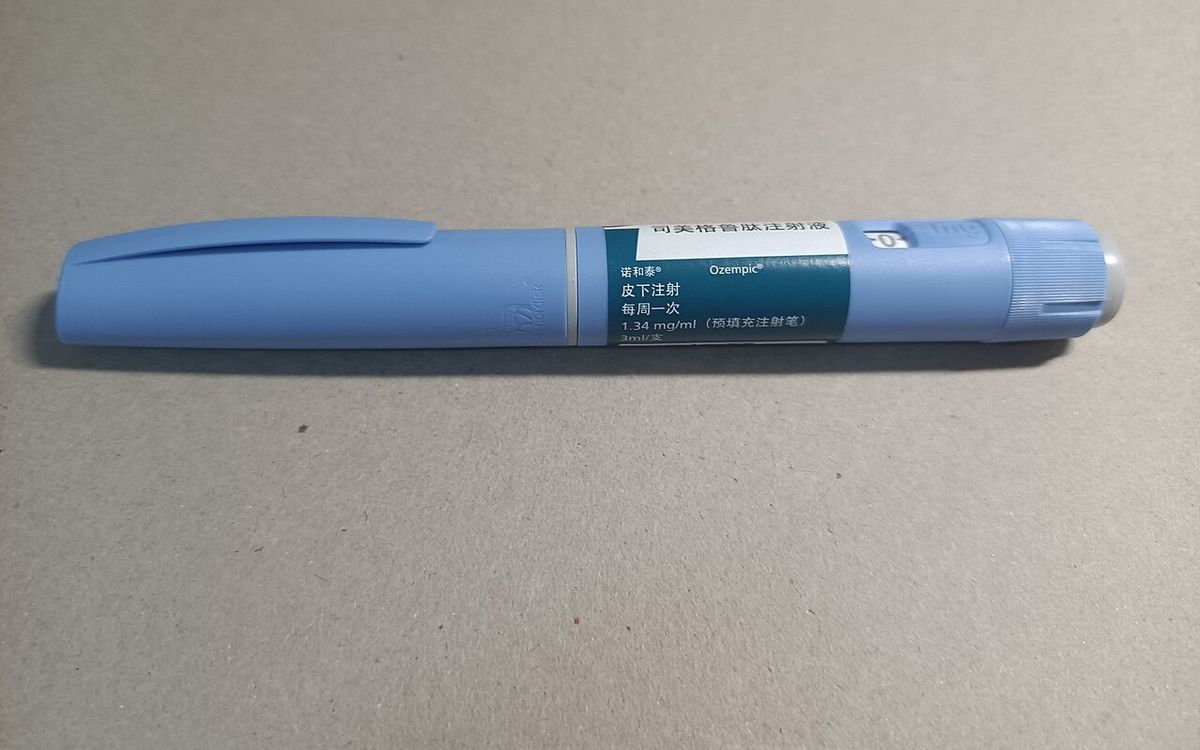





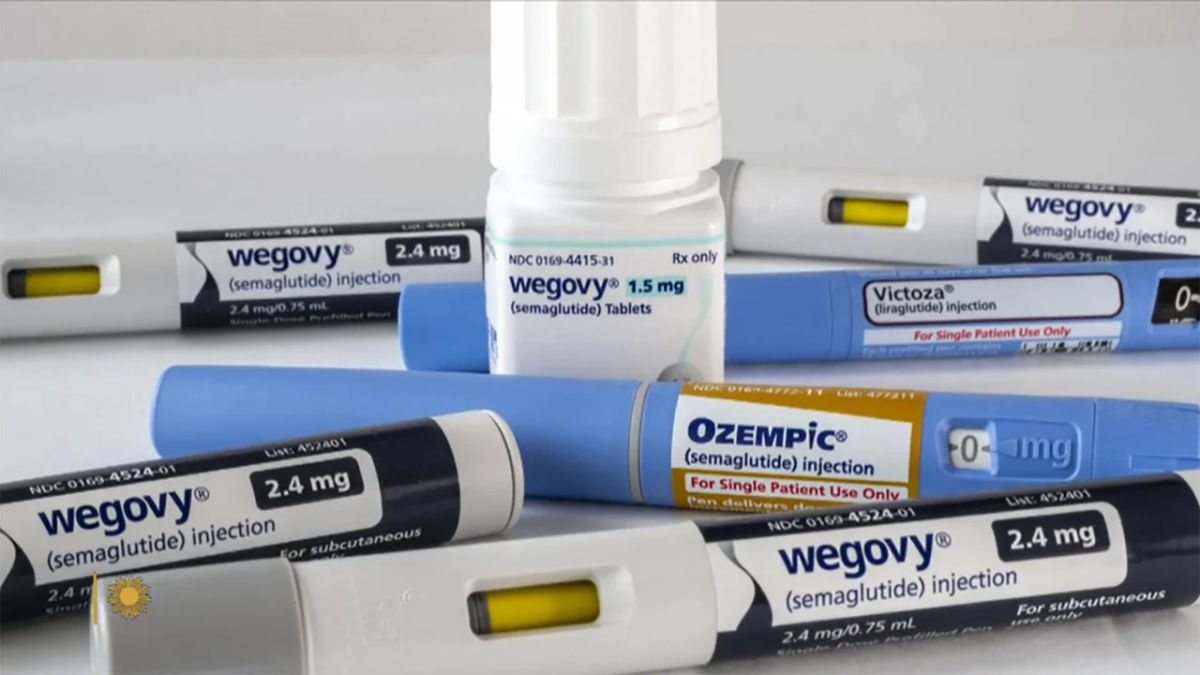

One physician reported Lp(a) falling in patients on rosuvastatin 5 mg plus a GLP-1, with no PCSK9 inhibitor. Same lab, same units, three months apart, other inflammatory markers flat, and the pattern repeating across a large group of patients. The question he put to the group: is the GLP-1 anti-inflammatory effect doing work we assumed needed targeted therapy?
Colleagues pushed on method first. CTA one year apart adds too much variability, so CIMT is the better way to follow these patients. They also flagged the statin paradox: up to 30% of patients see Lp(a) rise on a statin, which makes the anti-inflammatory hypothesis more interesting, not less.
Another physician argued for a different target altogether. Citing meta-analysis data, she aims for an ApoB/A1 ratio of 0.2 to 0.3 in high-risk patients with elevated Lp(a) and ASCVD, and reports documented disease reversal with that approach.
When Repatha moved one patient's Lp(a) only from 169 to 145 nmol/L in two months, the playbook the group converged on was to optimize everything around the number: total ApoB below 60, add ezetimibe, rule out masked hypertension and assess insulin sensitivity. For extreme cases, apheresis remains on the table.
On the pipeline, olpasiran shows 90 to 95% Lp(a) reduction in trials, but one member asked the question worth keeping in front of the hype: niacin and Repatha lower Lp(a) moderately without a proven outcome benefit, so are we treating a number?
Key takeaways
- The GLP-1 signal on Lp(a) is an emerging observation, not settled science. Track it prospectively.
- If you image, use CIMT rather than short-interval CTA.
- An ApoB/A1 ratio of 0.2 to 0.3 is a practical target in high-risk patients when Lp(a) will not move.
- Until a dedicated Lp(a) drug reads out: lower ApoB aggressively, keep blood pressure below 120/80, optimize insulin sensitivity and measure arterial stiffness.
From Buzz in the chat, the longevitydocs™ Sunday newsletter, March 15, 2026. Member discussion, not clinical guidance.
Originally published in The Longevity Medicine Intelligence newsletter.