









Weight comes off and metabolic markers improve, but some patients on GLP-1 agonists describe a flattening of life: food stops being pleasurable, hobbies feel distant, drive dims.
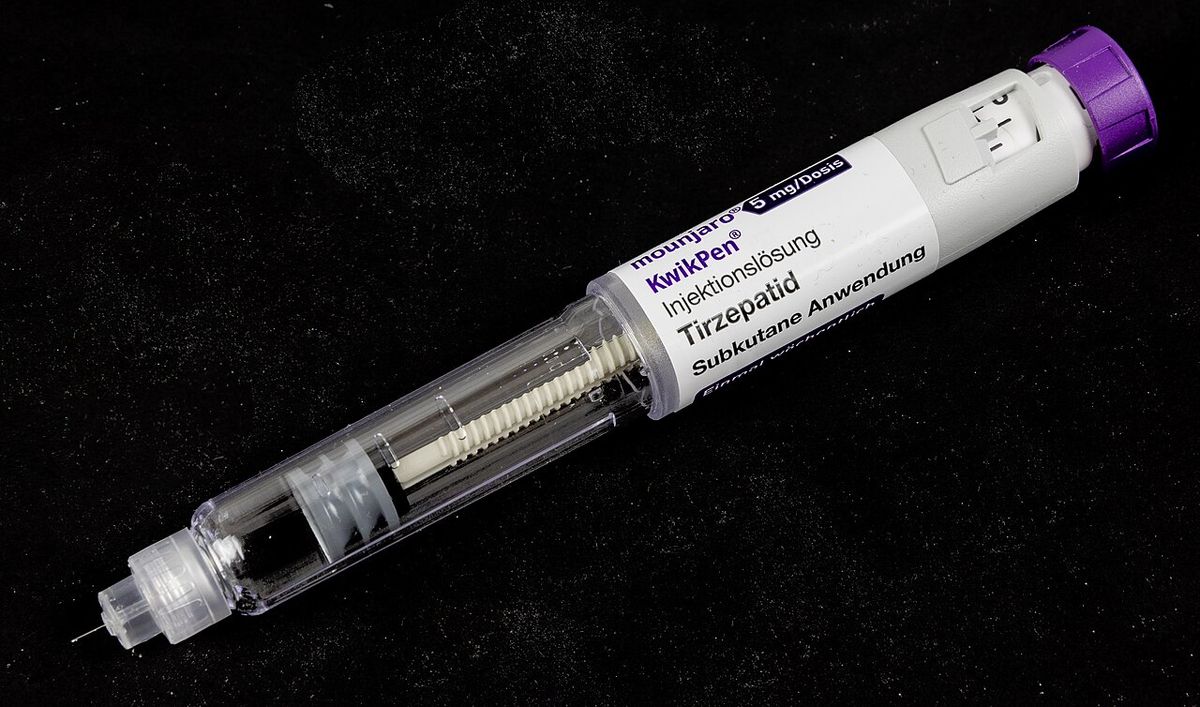
One physician said it happened to her at just 2.5 mg of tirzepatide. She linked it to her COMT met/met genotype, associated with slower dopamine clearance, and stopped the drug. N of 1, she said, but real.
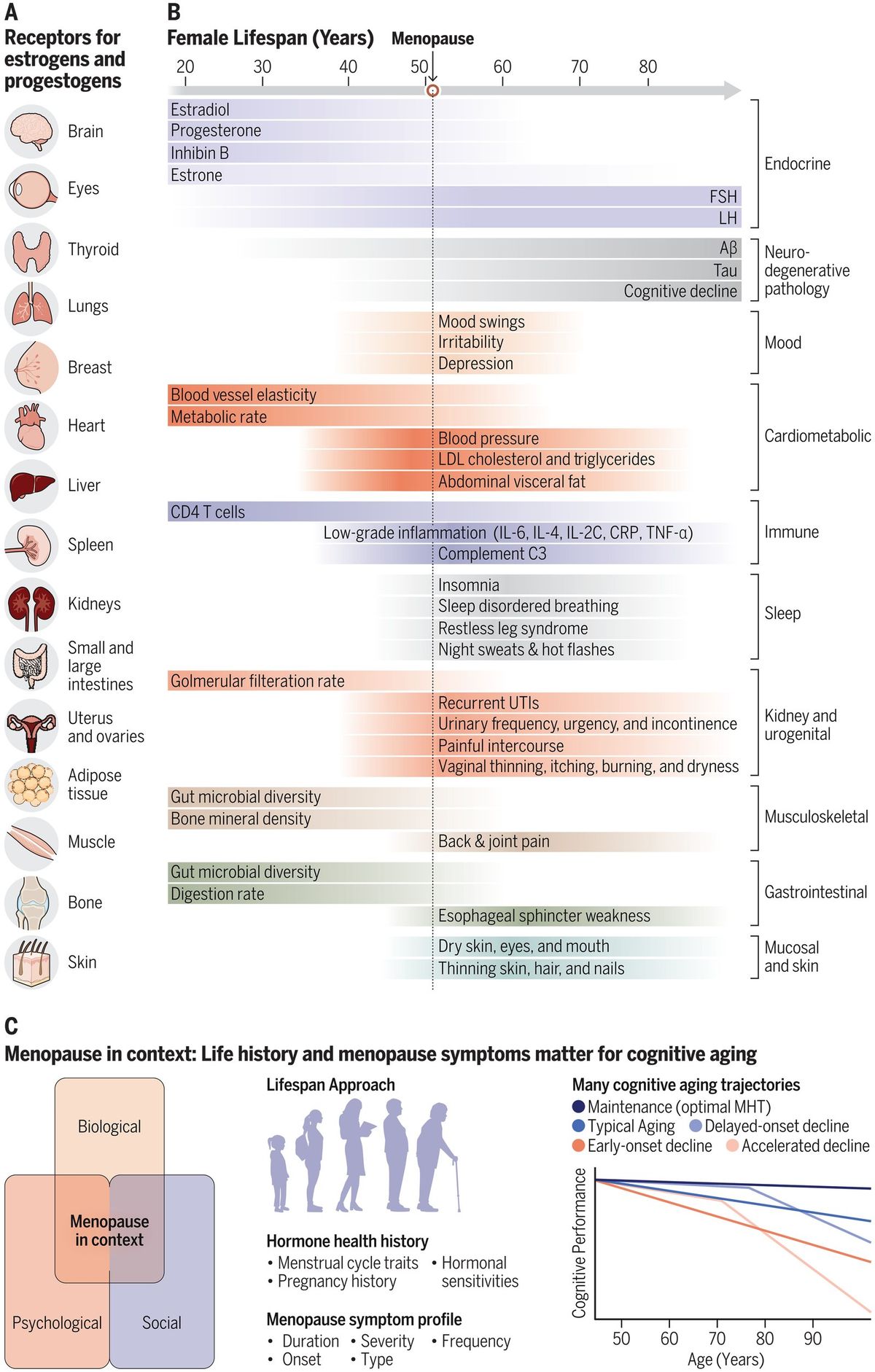
Another physician pushed back: optimize hormones first, check CYP2C19 metabolism and consider adjuncts before blaming the drug. In her experience, estrogen and testosterone status change how patients feel on a GLP-1. A third suggested that the new oral partial agonists may spare reward pathways, a distinction worth watching if it holds up.
The open question: are we selecting the right patients for these drugs, using COMT variants, dopamine profiles and hormonal status?
Key takeaways
- Ask about pleasure, motivation and mood at GLP-1 follow-up, not just weight.
- Check hormonal status before attributing blunting to the drug.
- Genetic and pharmacokinetic factors may help select patients; the evidence is early.
From Buzz in the chat, the longevitydocs™ Sunday newsletter, April 5, 2026. Member discussion, not clinical guidance.
Originally published in The Longevity Medicine Intelligence newsletter.