








Dr. Catherine Johnson, triple board-certified in obesity medicine and menopause care, reframed perimenopause for members: the woman gaining weight despite unchanged discipline is showing you her future cardiometabolic, sarcopenic and osteopenic trajectory in real time.
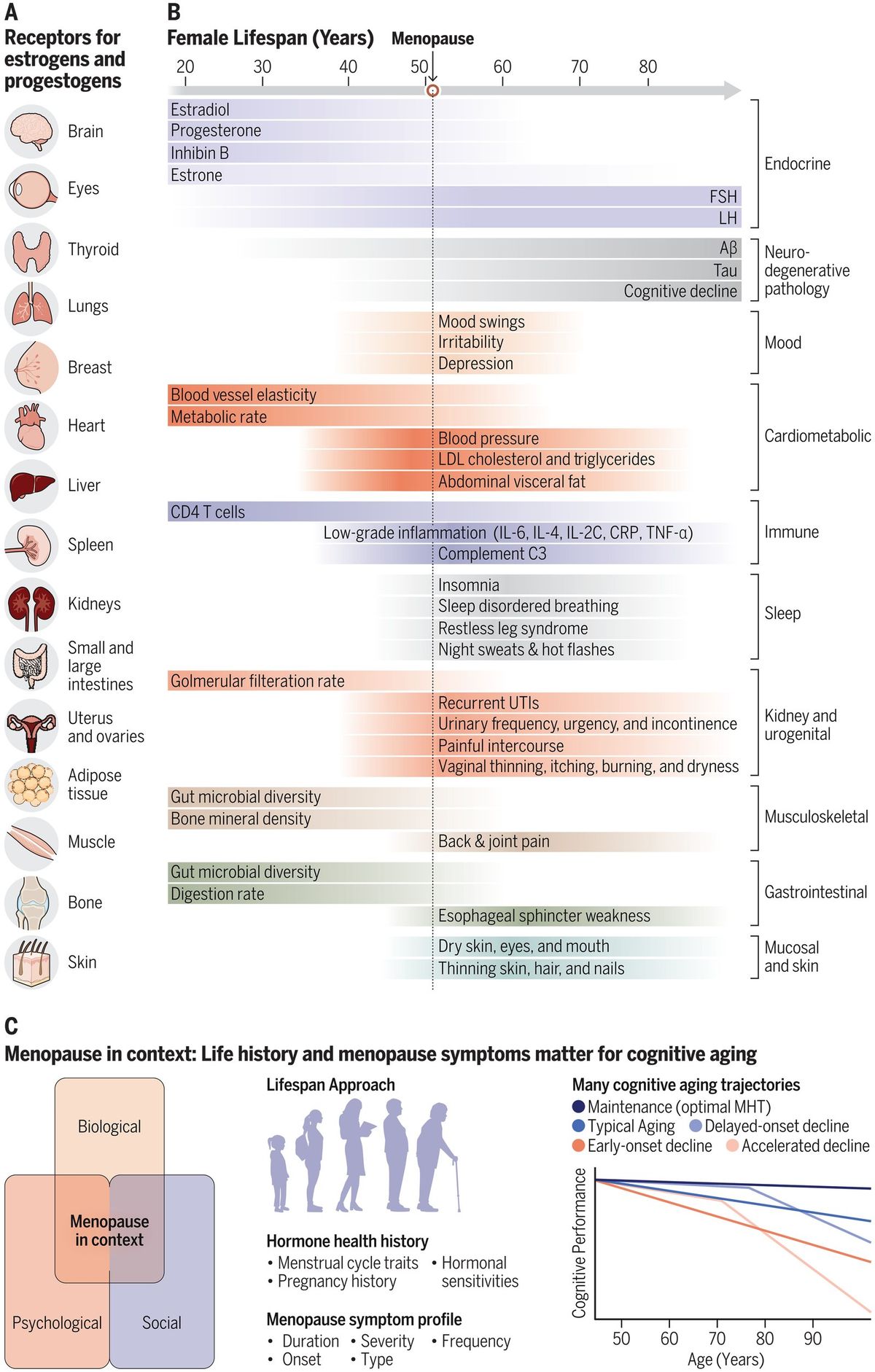
The physiology is estrogen and progesterone volatility driving fragmented sleep, higher fasting glucose, insulin resistance and visceral fat. It often starts in the late 30s and accelerates in the two years either side of the final period.
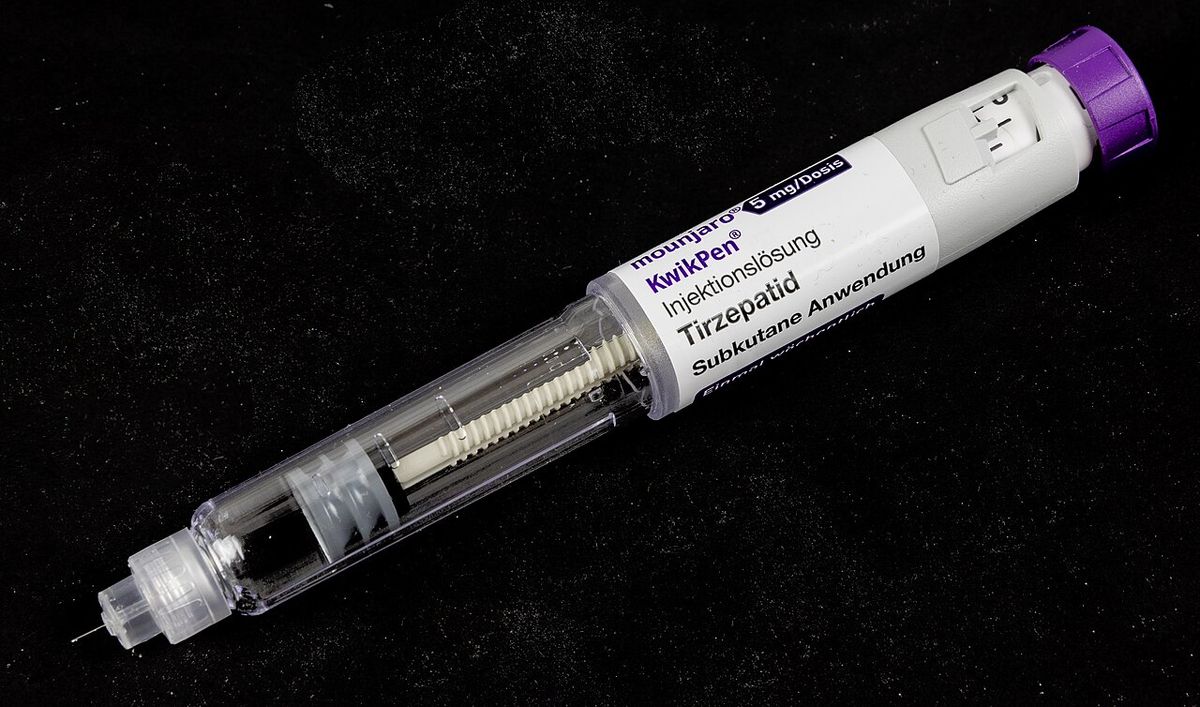
Her SAME framework: Structure (planning), Accountability (data-driven check-ins), Metabolic advantage (insulin sensitizers, GLP-1 agonists, phentermine/topiramate, Vyvanse for binge eating and brain fog) and Environment (redesigning the social context). Her toolkit also includes progesterone, metformin and Contrave, and she teaches nutritional ketosis with finger-stick ketone monitoring.
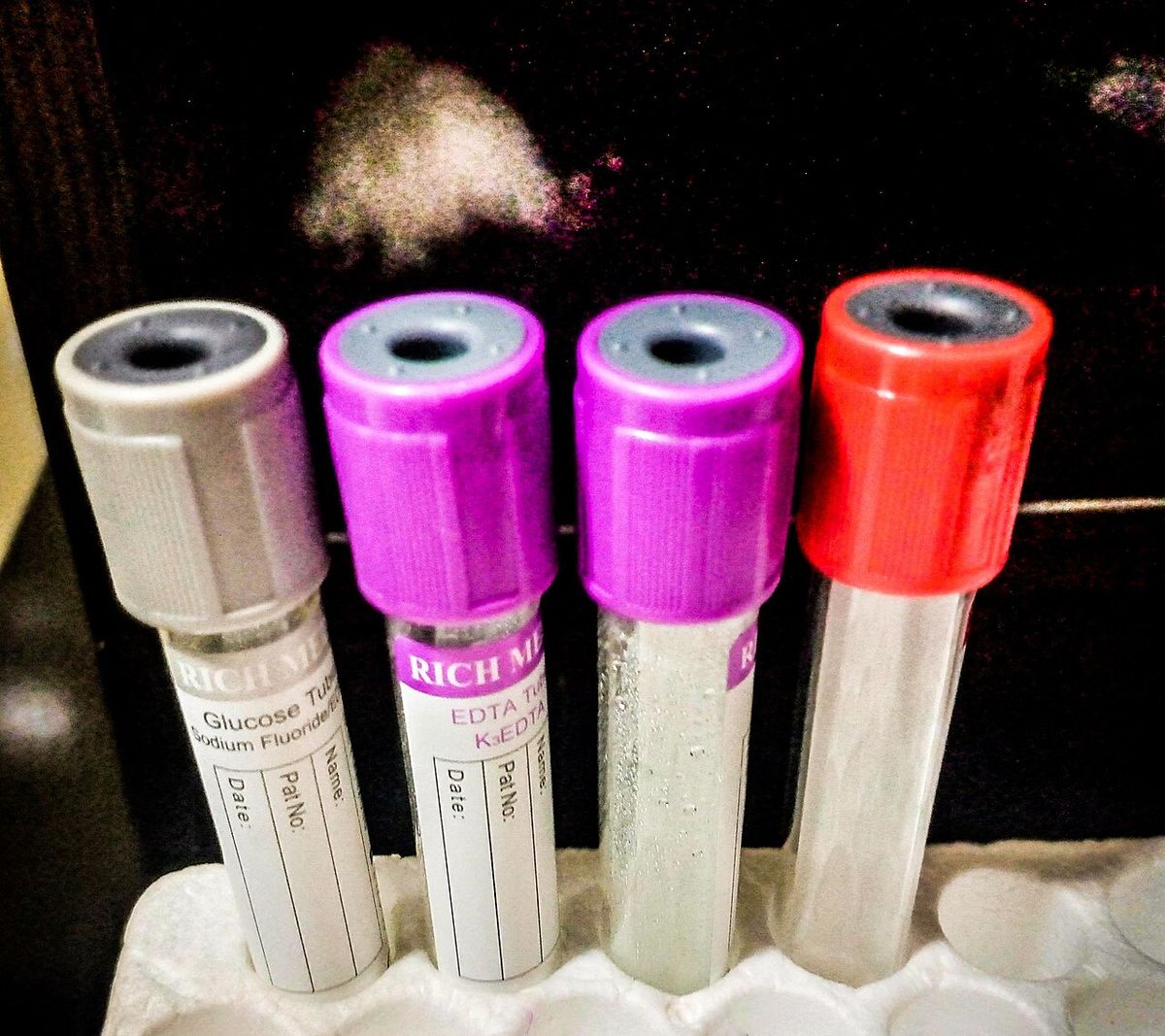
She runs quarterly labs so patients can see their own fluctuation: androgens, DHEA-S, FSH, estradiol, progesterone, cortisol, insulin, ApoB, Lp(a), a full thyroid panel with binding globulins, celiac screening and uric acid. Forty percent of a woman's life is lived after menopause, and that trajectory is being written now.
Key takeaways
- BMI misleads in perimenopause. Use body composition (body fat of 30% or more) and HOMA-IR instead.
- Screen for Hashimoto's. It is present in about 20% of this population and can hide behind a normal-looking TSH.
- Progesterone first, estrogen later. Defer testosterone until weight is coming down.
- Do not prescribe exercise first when cortisol is high, ferritin is low and sleep is broken. Fix sleep, nutrients and cortisol, then build strength.
From Buzz in the chat, the longevitydocs™ Sunday newsletter, May 26, 2026. Member discussion, not clinical guidance.
Originally published in The Longevity Medicine Intelligence newsletter.