




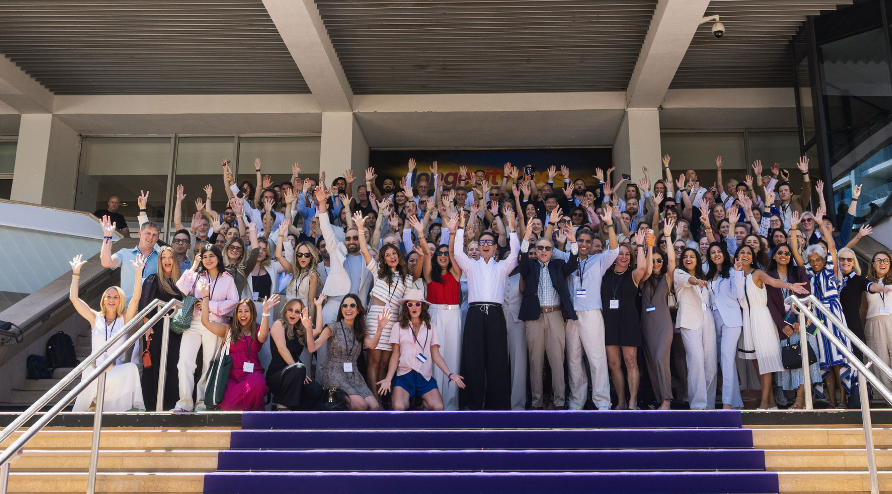

I just spent two days in Boston at ARDD, away from its traditional home in Copenhagen. I went to understand one thing: how aging research will change the way we practice medicine.
The people in the room were the first answer. HHS, ARPA-H and the FDA. Lilly, Novartis, Moderna and Novo Nordisk. Health systems and clinics, including Mayo Clinic, Sheba Medical Center, Atria and Human Longevity. This used to be a basic science meeting. This year regulators, pharma and health systems sat in the same sessions.
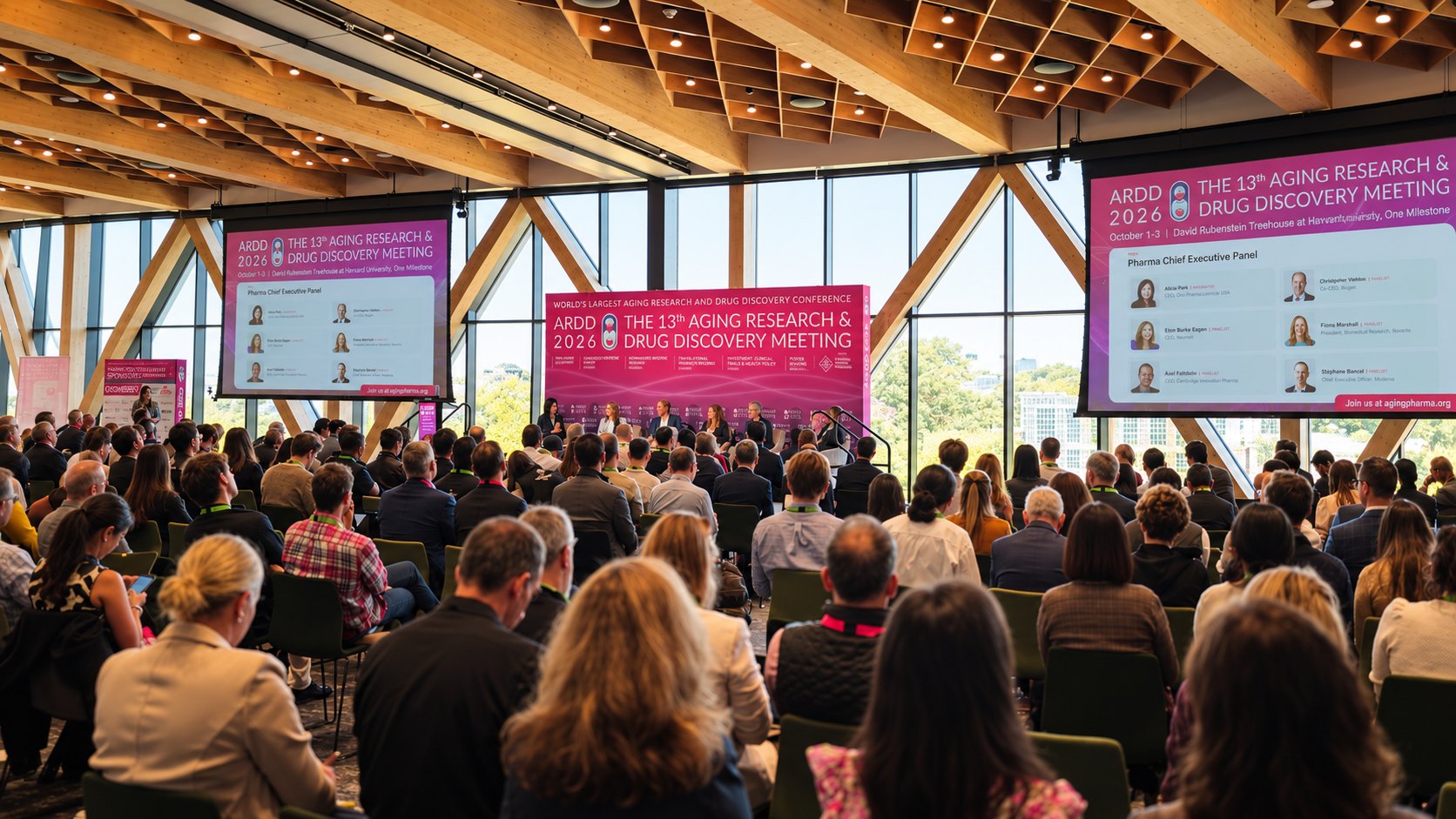
So I asked the leading researchers and leaders one question: What are you working on that will change how we practice medicine by 2030?
From their answers, I see five shifts.
1. Multiomic mapping of each patient
Every patient will start with a biological map: genome, proteome, metabolome, epigenetic age and imaging. Ten years ago that map cost a fortune. Now it's within reach of a routine workup.
Wei Wu put the cost curve in one line: a genome went from $3 billion to a few hundred dollars, and the other omics are following. Steve Horvath named proteomics, metabolomics and imaging as the next layer after methylation clocks. Evelyn Bischof called it “continuous, multimodal mapping of human biology.”
My view: the map is becoming affordable. Knowing how to read it is what physicians need to learn.
2. AI that reads the data
A full multiomic profile is more data than any physician can interpret. Wu put it plainly: twenty terabytes “is almost impossible for a physician.” AI closes that gap.
This was the one point nearly every guest made. Alex Zhavoronkov is running always-on agents for drug discovery, aging research and clinical operations. George Church pairs sequencing, synthesis and editing with AI. Zahi Fayad expects an AI coach to help refine lifestyle interventions.
My view: AI won't replace clinical judgment. It will decide which signals reach the physician. Doctors who learn to work with it will see more and miss less.
3. Continuous monitoring with wearables and biomarkers
Medicine still runs on snapshots: a yearly physical, a lab draw, a scan. That is changing. Fayad expects wearables and molecular measurements to show “how each person's health is changing.” Bischof wants trials to move “beyond episodic snapshots.”
But one limit came up in almost every conversation. David Barzilai said it most clearly: aging biomarkers are “validated for populations, not yet for people.” Horvath is working on that gap with the next generation of clocks.
My view: this is where I'd focus attention. Continuous monitoring is only as good as the biomarkers behind it. Until those biomarkers are validated for individuals, treat them as trend tools, not verdicts.
4. Prevention and earlier intervention
Once you can map a patient and track how the map changes, you stop waiting for disease. Fayad named the goal: “intervene earlier and help people maintain their strength, cognition and independence.” Bischof described medicine that learns from each patient's response and “recalibrates therapy in real time.”
Jamie Justice's XPRIZE Healthspan measures the same outcomes: muscle, cognitive and immune function in older adults.
My view: prevention has always been the promise of medicine. These tools make it practical. Physicians should define success by function (strength, cognition, independence), not just by the absence of disease.
5. Precision therapies that target aging and disease
The last shift is in what we prescribe. Horvath expects to know within a year or two whether GLP-1 agonists are true rejuvenators, and asks whether anti-inflammatories like NLRP3 inhibitors are also geroprotectors. Zhavoronkov is developing drugs for disease first, then repurposing them for aging. Church is testing whether combinations of genes add up or synergize. Horvath also sees clocks helping find the right dose for each patient.
My view: the first aging drugs will probably come as disease drugs with an aging indication added later. Precision dosing will follow once we can measure response in each patient. Church was candid that approved drugs will take longer than four years. The research is moving faster than the regulatory path.
In their words
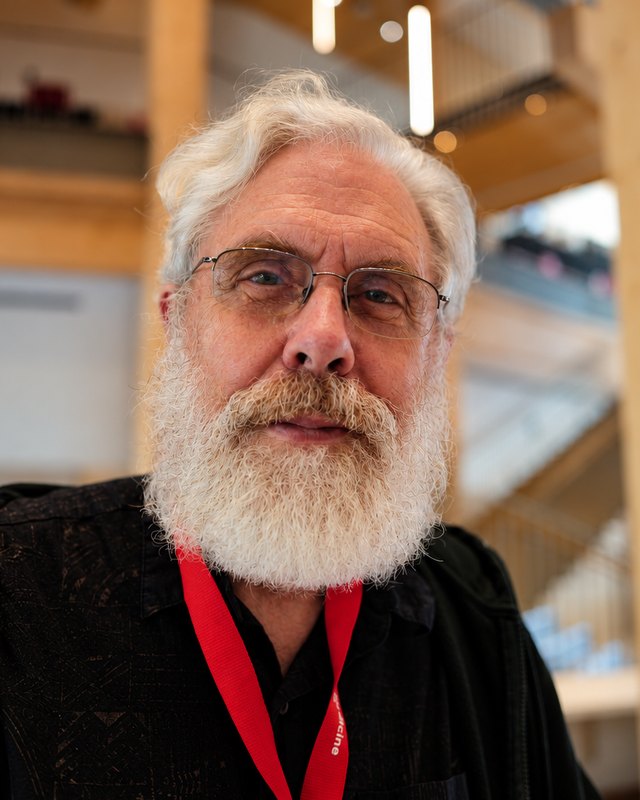
George Church, PhD, Harvard Medical School
“We've already been putting together technologies that we helped develop in next-gen sequencing, next-gen synthesis and editing of genomes, and screening of large libraries. Putting those together is one thing we'll be helping with, and putting them together with AI as well. These are all independent methods that work together well. When we test combinations of drugs, or gene combinations for gene therapies, that's been limited by the vector size. So we're making bigger vectors now, so we can test more genes simultaneously. There are a lot of genes that independently look very promising for age-related diseases. But what if you put them all together? Are they going to add up, or are they going to synergize? A lot of that is going to happen in the next four years at a research level. Obviously, it takes longer than that to get it all the way through to an approved drug.”
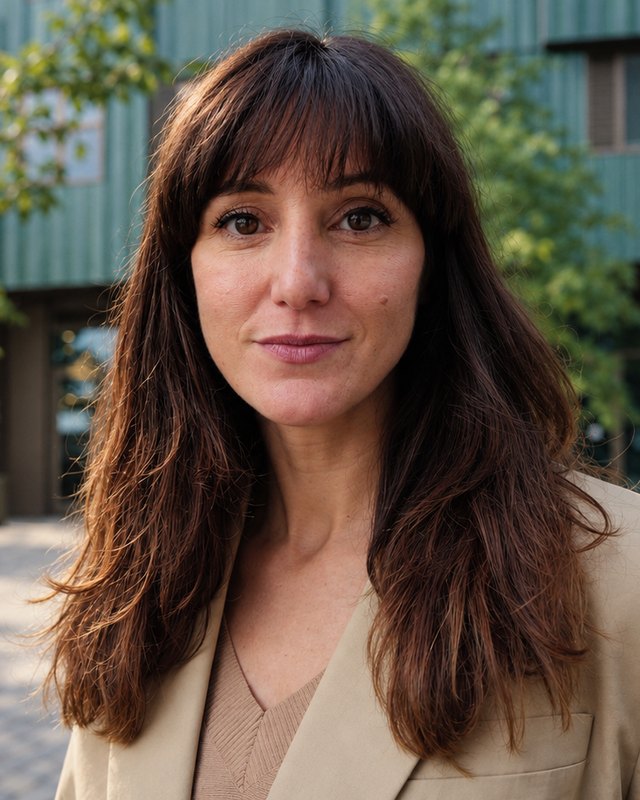
Jamie Justice, PhD, XPRIZE Healthspan
“By 2030, we're actually running the largest global competition for human healthspan. We have teams right now running their final trials. They're going to see if their therapeutic can change muscle, cognitive and immune function through clinical trials in older adults. Those are all going to wrap up in 2030, and we'll be announcing our global winner, who actually has a therapeutic that can target human healthspan.”
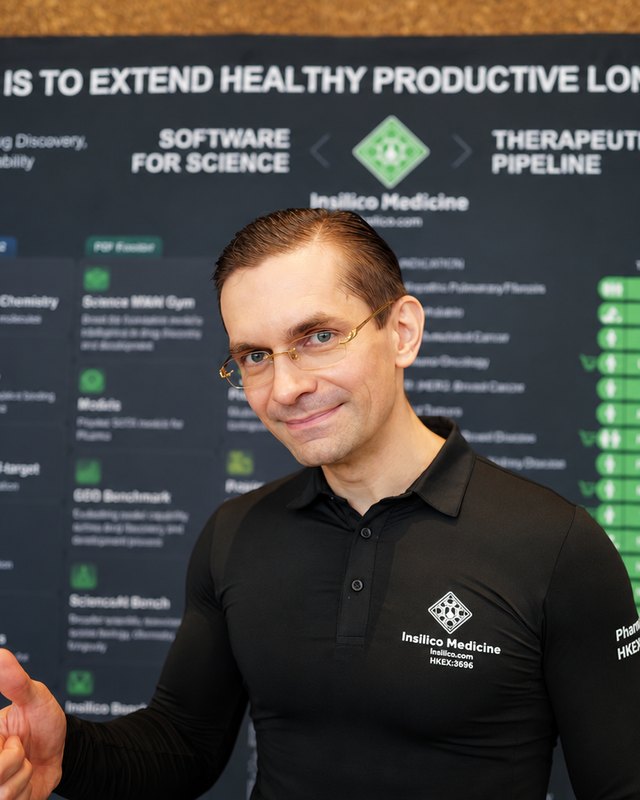
Alex Zhavoronkov, PhD, founder and CEO, Insilico Medicine
“One is foundation models for aging research and drug discovery. We have both specialist foundation models for aging and also long-running agentic frameworks that allow you to have always-on, 24/7 agents that will perform drug discovery tasks, aging research tasks and even clinical operations tasks. I think that will have massive impact in the short term. In the long term, we have many different therapeutic programs in different stages that have the potential to address aging and disease at the same time. Currently we're developing them for diseases, but then we want to repurpose them for aging.”
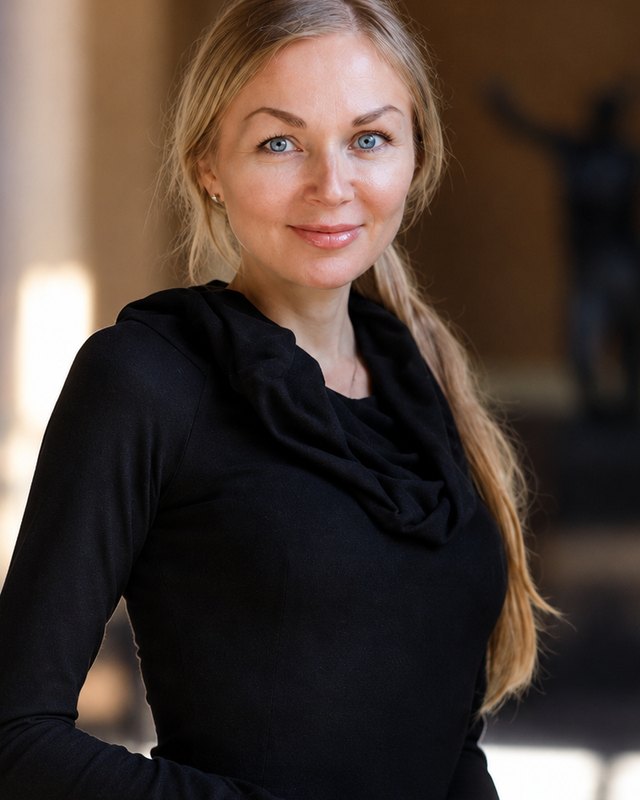
Evelyn Bischof, MD, PhD, MPH
“To make longevity medicine a truly actionable medical discipline by 2030, we need to upscale its evidence base now. That means advancing AI-driven drug discovery, designing therapeutic strategies that simultaneously target disease and the underlying biology of aging, and moving clinical trials beyond episodic snapshots toward continuous, multimodal mapping of human biology. The next generation of medicine must be adaptive: continuously measuring biological change, intervening, learning from individual responses, and recalibrating therapy in real time, shifting our goal to actively modifying the biological trajectories that determine healthspan.”
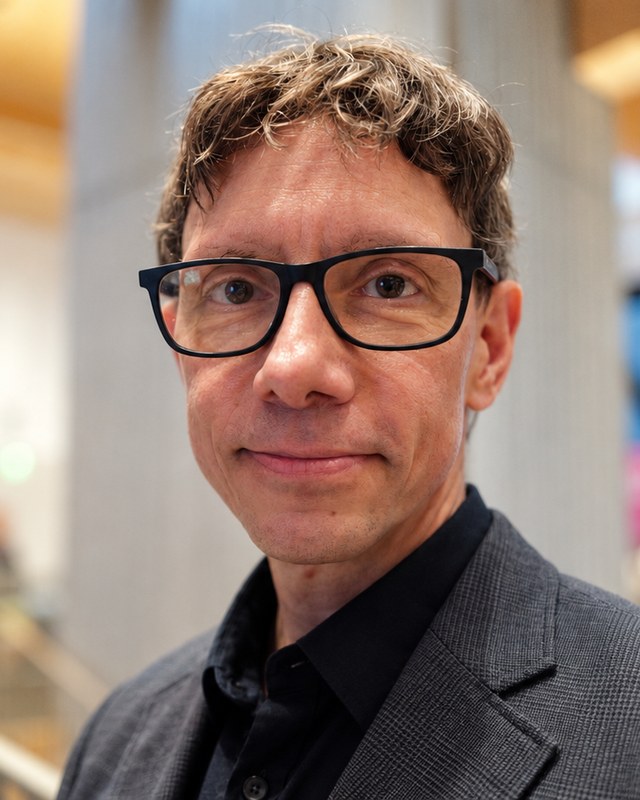
Steve Horvath, PhD, ScD, Altos Labs and UCLA
“I hope that some of the clinical trials will reveal that certain drug classes are true rejuvenators. Everyone talks about GLP-1. I think we will have the answer within a year or two. But then also various anti-inflammatory drugs, NLRP3 inhibitors or ten other anti-inflammatory drugs, where we know certain disease indications where these anti-inflammatories should be administered. But the big question is, are these also geroprotectors? So that's one aspect. I'm very excited about new generations of aging clocks. My wheelhouse are methylation clocks. There's a lot of innovation in developing better methylation clocks. I'm very excited about proteomic measures, metabolomics, imaging. So there's a real revolution, perhaps for diagnostics, and also to help find dosages.”
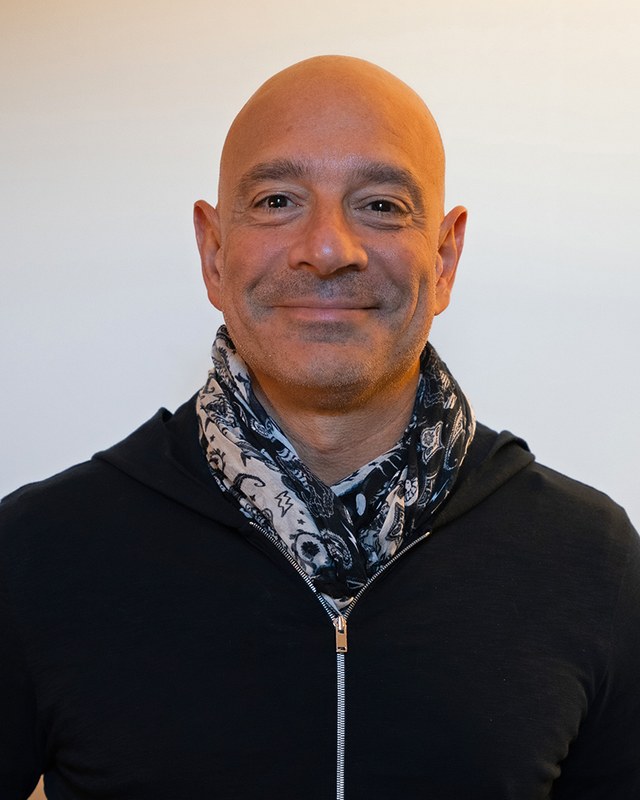
Zahi Fayad, PhD, director, BioMedical Engineering and Imaging Institute, Mount Sinai
“By 2030, I expect wearables and molecular measurements to give us a much clearer picture of how each person's health is changing. An AI coach could help us personalize and refine lifestyle interventions, while clinical evidence guides the use of pharmacological treatments. The goal is to intervene earlier and help people maintain their strength, cognition and independence.”
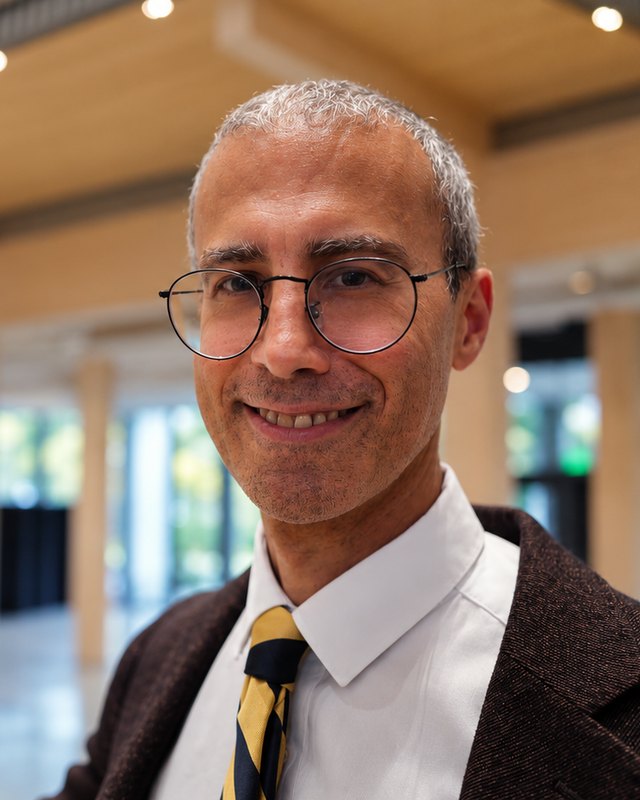
David Barzilai, MD, PhD, co-editor, Frontiers of Longevity Science
“It's not going to come from one area. It's going to come from targeting multiple different hallmarks of aging. But what most people aren't thinking about for greatest innovation is one of the most critical, which is biomarkers of aging. Why? Because in order to ascertain whether a hypothesized regimen that works in a population truly benefits your patients, you need ideally not just traditional biomarkers, but aging biomarkers that are reliable, that can be trusted. These are validated for populations, not yet for people. And when we have them with sufficiently high reliability for people, it'll be a game changer for individuals and also for shorter-term trials, so we can get the answer sooner. Is this medication effective, acting on the biology of aging? Does it slow biologic aging? That will be huge.”
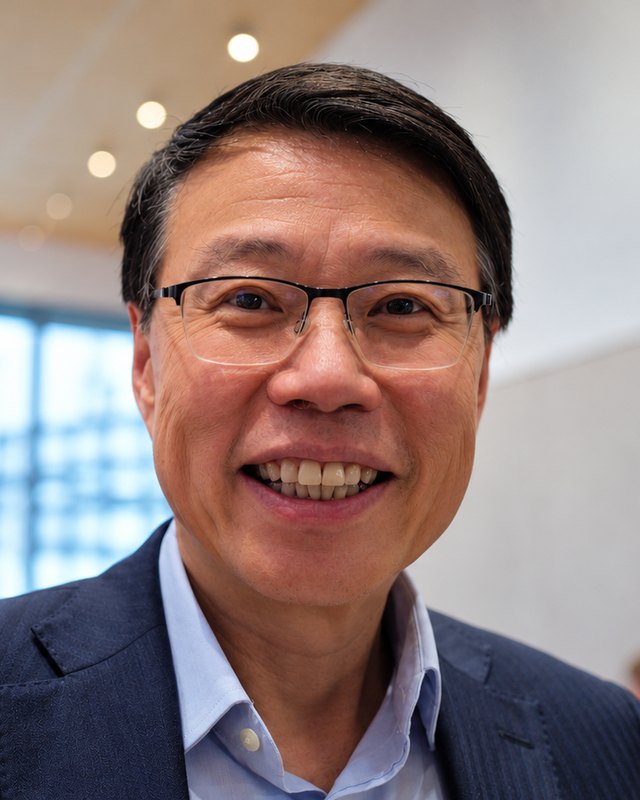
Wei Wu, PhD, CEO, Human Longevity
“I frame this whole new theory called the information neural net. The technology to collect huge amounts of data from a human body is becoming cheaper and cheaper. The genome went from $3 billion down to $600 for your whole life. And all the other collections, like proteomics, are going to become cheaper and cheaper. Historically, to analyze, say, 20 terabytes of data was almost impossible for a physician. But today, with AI, that is becoming easier and easier. Google's AlphaGenome just did in silico mutagenesis [across the genome] in a few days. It used to be years. I used to make one mutation in three months and then see if that gene had any change. That was totally impossible even a few years ago. But today, with all this computational power and AI, we're going to know so much about our body's future. All that knowledge is going to be at the fingertips of every human being on Earth.”
What I'm taking back to my colleagues
For physicians: Map first, then monitor. Treat today's clocks as trend tools, not verdicts. Personalize lifestyle advice freely, but prescribe only on evidence. Follow the GLP-1 and anti-inflammatory geroprotection data. Measure success in strength, cognition and independence.
For industry: Validated biomarkers are the shared bottleneck, and whoever helps validate them shortens every trial that follows. Develop for disease first and aging second. Build trials and care models around continuous data. Bring physicians in early, because nothing changes practice until clinicians trust it.
The tools are arriving faster than the training. Physicians who start learning them now will be the ones who make them standard care by 2030.
- By
- David Luu, MD
- Published
- Oct 4, 2026