






The thread started with rising LDL and triglycerides in patients on mTOR inhibitors. One physician laid out the mechanism: mTORC2 inhibition pushes the hepatic insulin pathway toward higher triglycerides and LDL, and increased adipose breakdown delivers more free fatty acids to the liver, which converts them to triglycerides.
He framed it as a feature rather than a bug. If metabolism is being pushed toward autophagy and energy conservation, higher circulating cholesterol can mean fat is being mobilized, not stored.
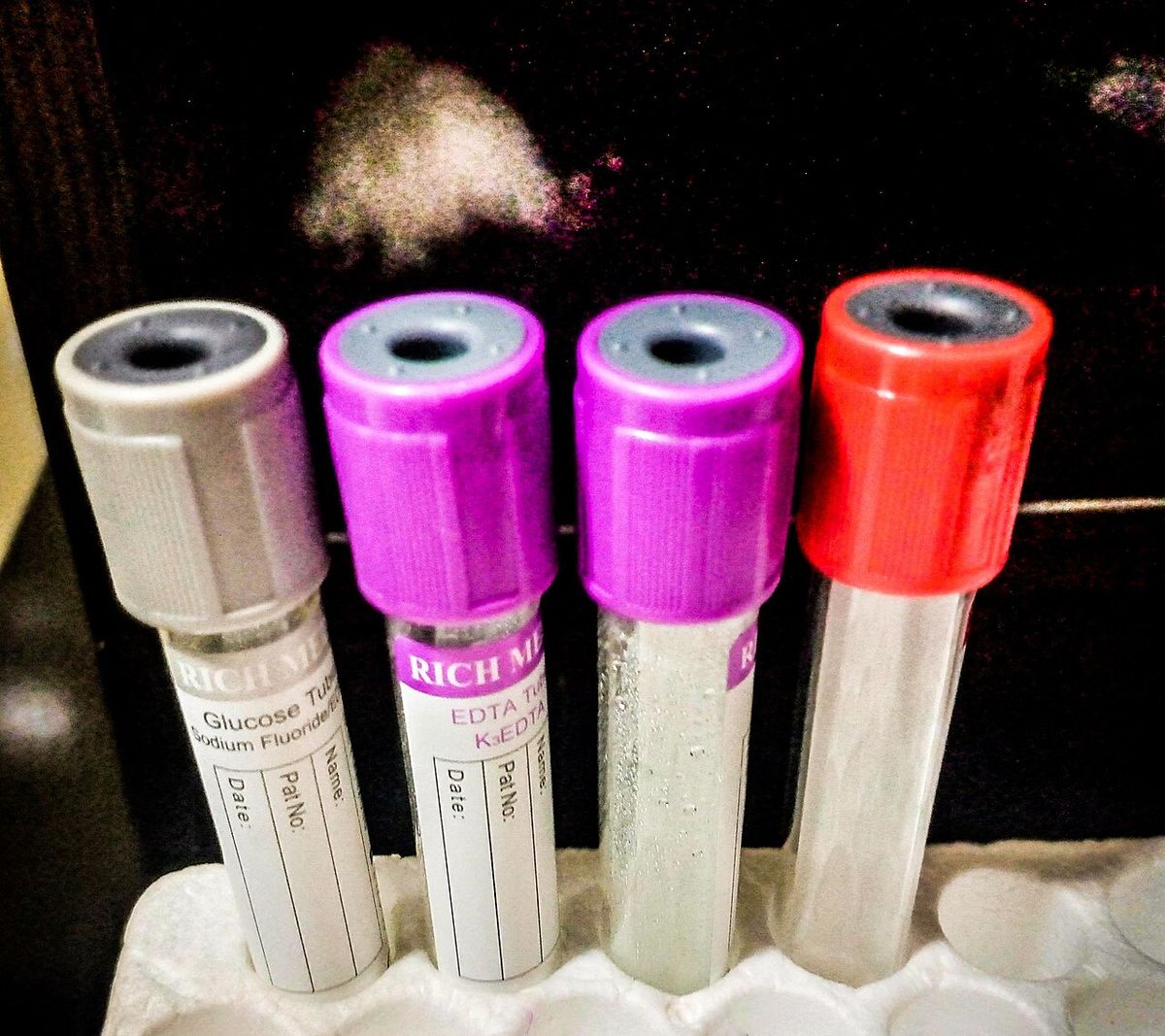
Then came the critique of the study under discussion: it should have measured ApoB and fasting insulin. He would not be surprised to see elevated LDL without a meaningful rise in ApoB.
Key takeaways
- If you dose rapamycin or another mTOR-targeting protocol, a standard lipid panel may mislead you.
- LDL elevation under mTOR inhibition can reflect fat mobilization and autophagy.
- Track ApoB and fasting insulin as the more informative signals.
From Buzz in the chat, the longevitydocs™ Sunday newsletter, April 19, 2026. Member discussion, not clinical guidance.
Originally published in The Longevity Medicine Intelligence newsletter.